Structural Piers for Homeowners - The Handbook


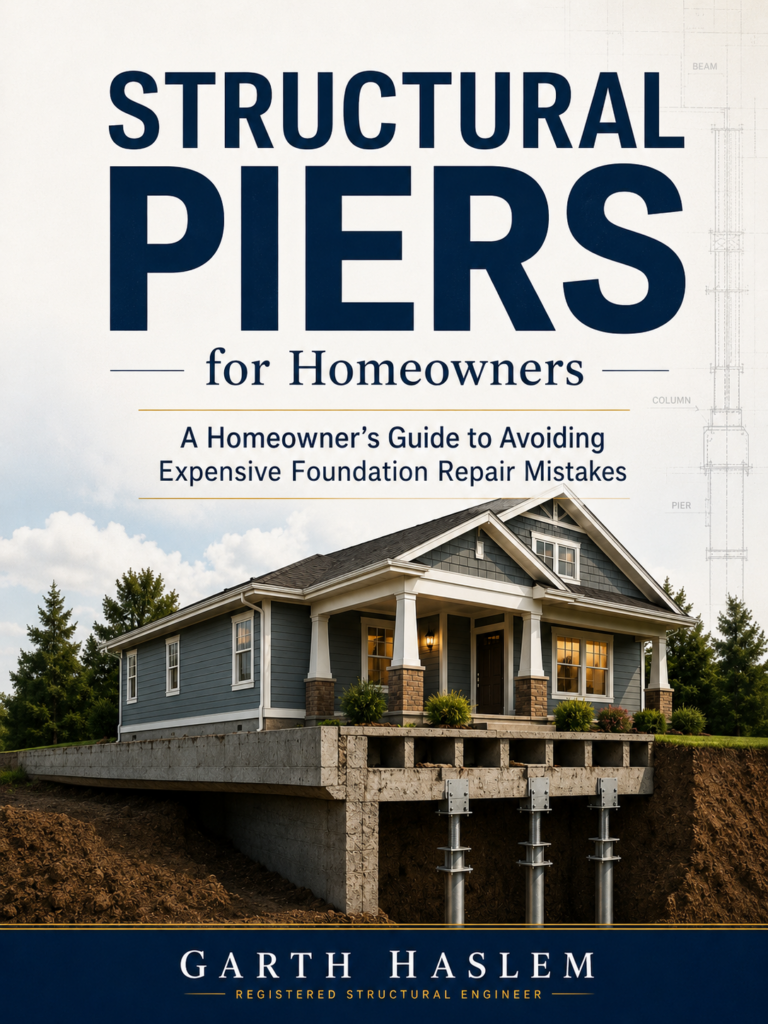
Get our homeowner guide on structural piers. It will help you understand when structural piers make sense, when they don’t, and how to avoid costly foundation repair mistakes before signing a contract. Get it on Amazon or make an order for an assessment – we’ll bring you one.

Before Signing Any Contracts, Call Us If:

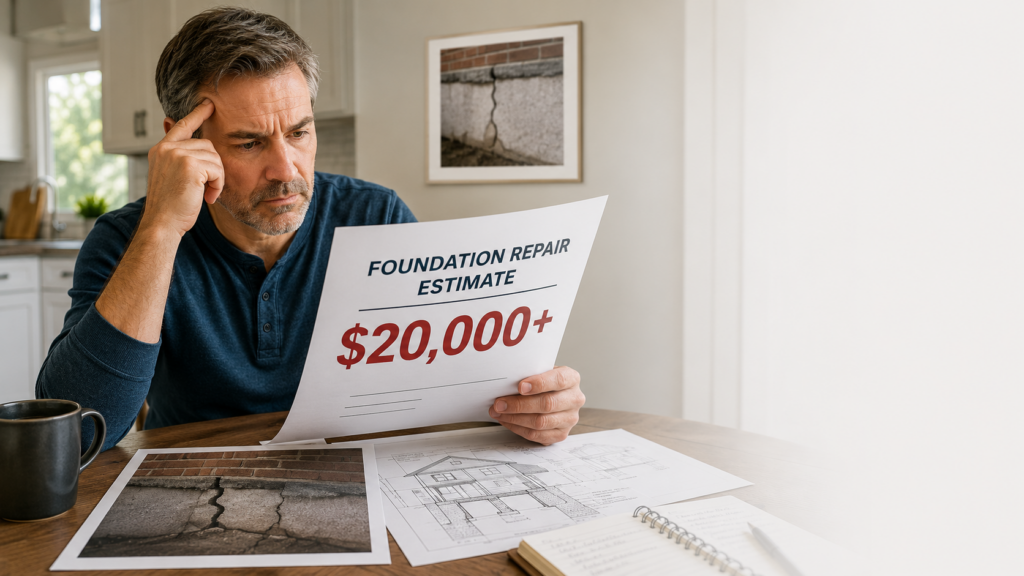
You received a foundation repair bid over $20,000

You were told your home is settling or sliding

The company rep recommended piers all around the home

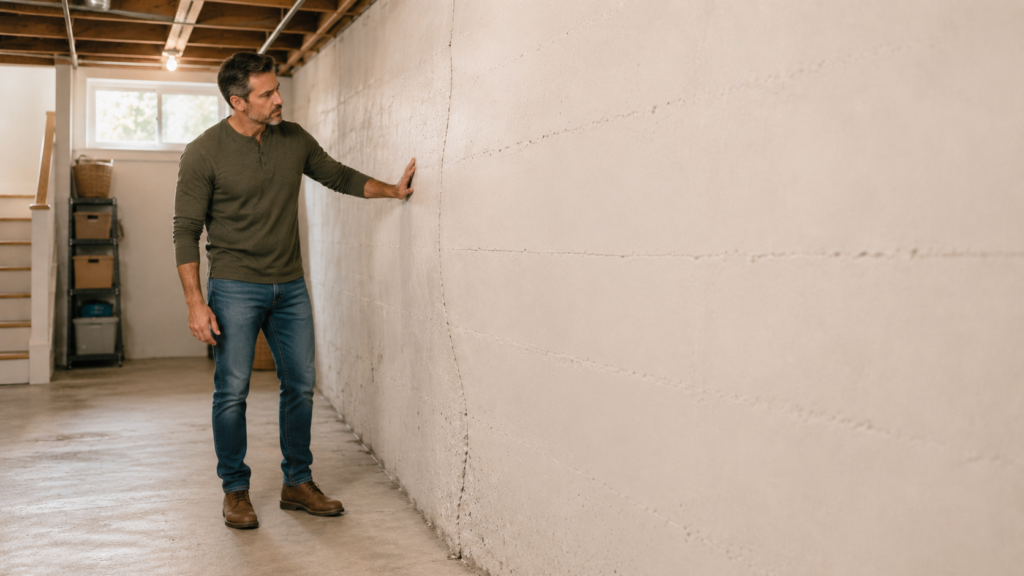
One wall is bowing, bulging or moving inward

You are pressured to sign quickly or “today only”

You want an engineer’s opinion before spending your savings

Frequently Asked Questions About Structural Piers

Do cracks in my foundation mean I need piers?

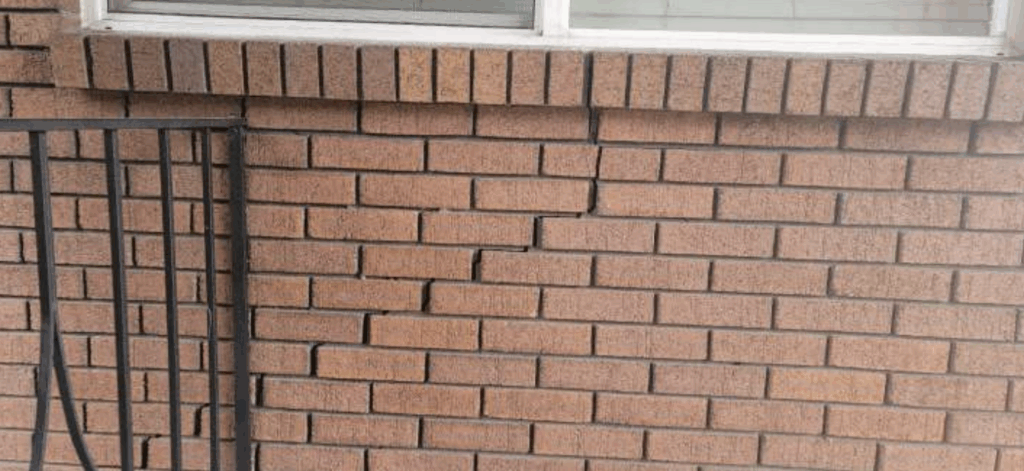
Not necessarily. Cracks can occur for many reasons. Some are related to settlement, but others are caused by shrinkage, drainage, lateral pressure, expansive soil, framing issues, or normal aging. An engineer can help determine whether the cracks are structurally significant.

Are structural piers always the best foundation repair?

Not necessarily. Piers are useful for some settlement problems, but they are not the correct solution for every foundation issue. If the home has lateral movement, shear damage, drainage issues, or expansive soil heave, piers may not help you.

Should I trust a foundation repair company’s recommendation?

Some contractors are honest and competent. Others are primarily sales-driven. Because contractors typically profit from the jobs they get, it is wise to get an independent structural engineer’s opinion before signing a major contract.

What is the difference between a structural engineer and a foundation repair contractor?

A structural engineer evaluates the structure and provides an independent opinion. A foundation repair contractor installs repair systems. The contractor may be skilled at installation, but the engineer is typically the more reliable source for determining what the actual structural problem is, and how to deal with it.

Can CEI design a pier repair system?

Yes. But the first step is determining whether piers are actually needed. The purpose of the inspection is to identify the real structural condition of the home so you can move forward properly in protecting your home and family.

What if I already have a bid from a foundation repair company?

That is a good time to call Crossroads. We can review the observed conditions, discuss the contractor’s recommendation, and help determine whether the proposed repair appears to match the problem.

Foundation repair companies often recommend helical piers, push piers, or other expensive repair systems after seeing cracks, settlement, sloping floors, or foundation movement. That doesn’t always mean that’s what you need, but it does mean that’s what they sell. 

We do not sell pier systems. We do not install foundation repairs. We are not paid based on the size of the repair.

Our role is simple: tell you the truth. We like it that way.