
Is Your House Sinking?
Your house is supposed to stay where it was built. Unfortunately, not every house gets that message.
With over more than 30 years of structural inspections, the engineer has encountered many thousands of homes. This includes many that have experienced foundation settlement. Some move only slightly, while others have suffered substantial structural damage. The important question isn’t simply whether your house has moved. It’s why it moved, whether it’s still moving, and what should be done about it.
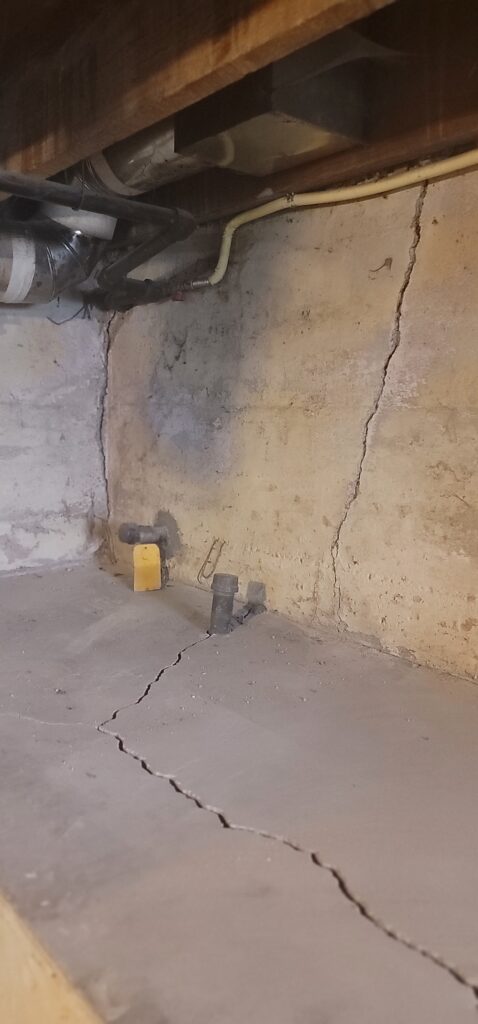
What Causes Foundation Settlement?
Every home relies on the soil beneath its foundation to support its weight. When that soil compresses, washes away, or otherwise loses its ability to support the structure, settlement can occur.
Sometimes the entire home settles relatively evenly. More commonly, the problems arise from differential settlement, where one portion of the foundation moves more than another.
Homes aren’t particularly flexible. When one corner settles while the rest of the house tries to remain in place, something has to give. That something might be the foundation, drywall, brickwork, flooring, and the framing.
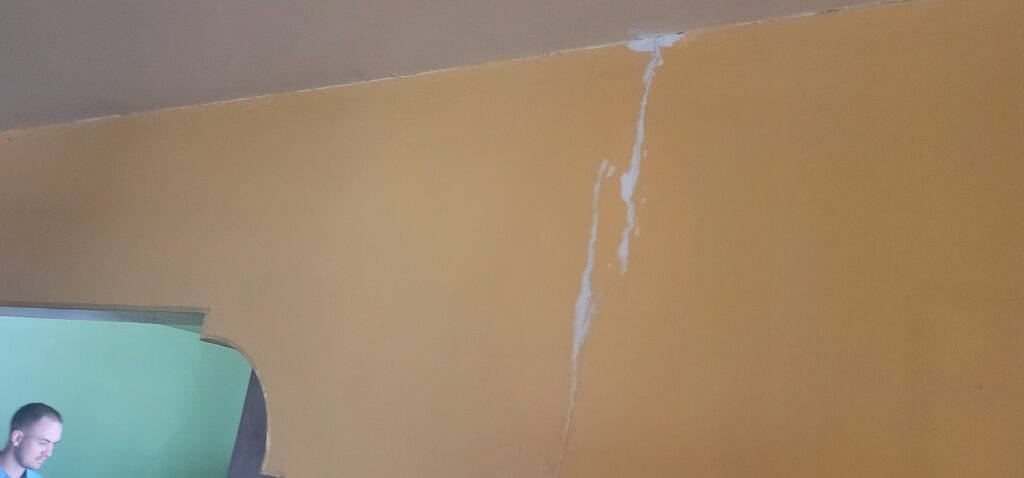
Is Your Home Showing Warning Signs?
Foundation settlement doesn’t always announce itself with a dramatic crack. Sometimes the warning signs are surprisingly subtle.
Doors may begin sticking. Windows may become difficult to operate. Floors may slope, drywall may crack around doorways, or gaps may appear between walls and ceilings. Outside, foundation cracks, separating masonry, and uneven concrete may provide additional evidence.
One isolated symptom doesn’t necessarily establish a structural problem. But multiple symptoms appearing together, particularly when they are getting worse, deserve professional attention.
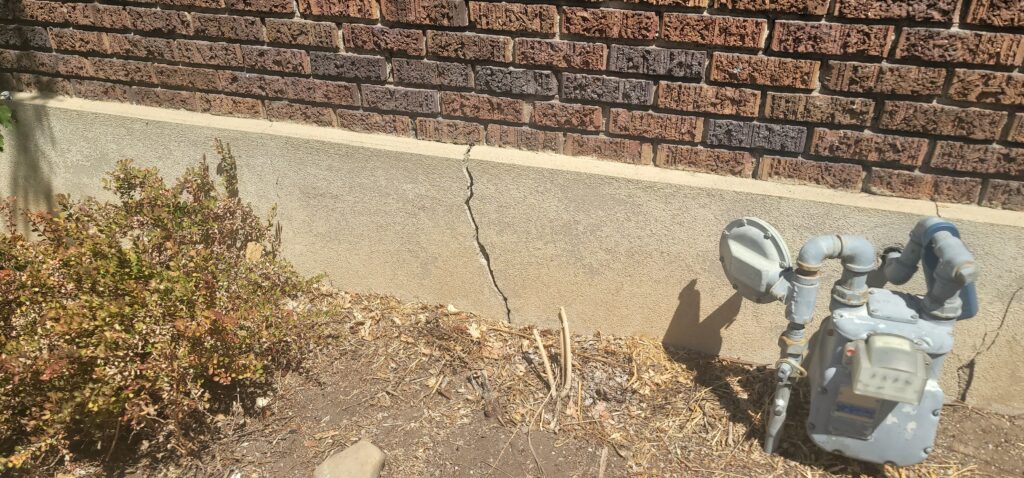
Water Can Make a Bad Situation Worse
One of the most common contributors to foundation problems is inadequate or improper drainage. Roof runoff, sprinklers, poor grading, and underground water can become the villanous thieves of your entire bank account. You won’t know that the six figure loss has happened – until the deed is done.
Here’s a principle the engineer has repeated for years: Soil supports a structure much better than mud does.
Water management is often among the first things the engineer evaluates. Correcting drainage problems may reduce the risk of future movement, but it cannot necessarily reverse settlement that has already occurred.
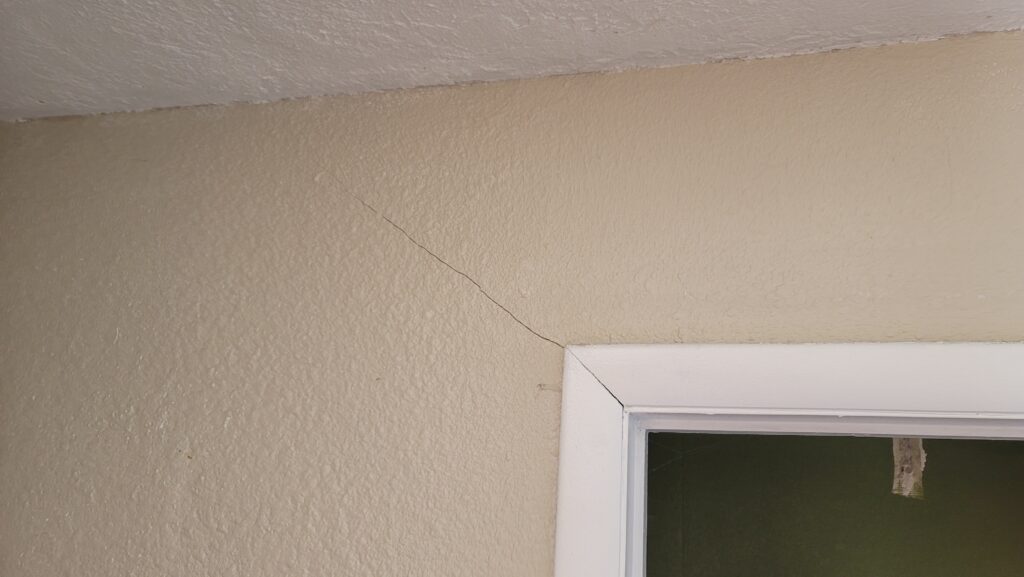
Does Foundation Settlement Require Structural Piers?
Not always. Some homes have experienced minor historical settlement and are now stable. Some are buckling – piers won’t help that. Some are sliding down a hill – piers won’t help that either. Some are actively moving and require structural piers, drainage improvements, foundation reinforcement, or a combination of all of the above.
Structural piers can transfer foundation loads to deeper, more competent supporting material. However, installing piers without understanding the cause of settlement may be a very expensive mistake.
The objective is not necessarily to lift the house back to its original position. In many cases, stopping further movement is more important than attempting to reverse decades of settlement. Often, holes have been filled in over the years, and if you attempt to fill in a hole that’s already been filled – well, bad things happen.
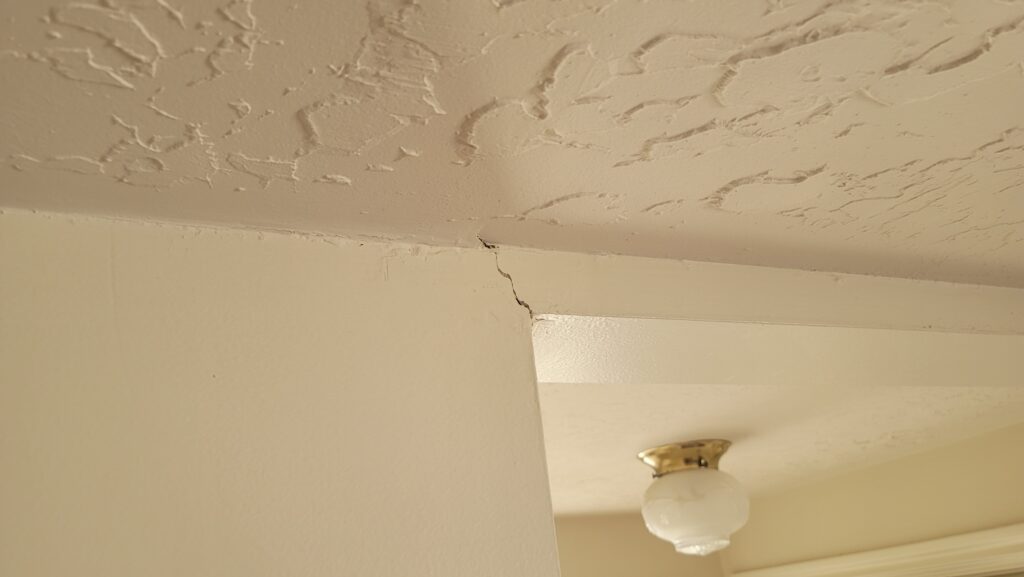
Not all Settlement Can Be Fixed With Structural Piers
Similarly, if your foundation or your wall is bulging outward, piers don’t help much with that either. Piers stop settlement, but they don’t stop rotation.
What Your House Is Telling You
Foundation settlement is not something homeowners should immediately panic about, but neither should it be ignored. Minor movement and serious structural failure can sometimes produce similar-looking symptoms.
This may not surprise you, but when you’re dealing with potentially serious structural issues, it’s usually best to talk to someone who is really an expert – not just someone who has a loud opinion.