
Bowing, leaning, rotating, and sliding walls can be among the more serious structural conditions found in a home. These problems are often misunderstood because they can look similar to ordinary foundation settlement.
They are not the same thing.
A foundation or wall that is settling is primarily moving downward. A bowing wall is moving sideways, rotating, or being pushed out of alignment. That distinction is important because the repair methods are different.
Structural piers can be very effective at supporting a foundation that is sinking. They transfer the weight of the structure to deeper, more reliable soil. But piers do not necessarily prevent a wall from rotating, sliding, bowing, or being pushed sideways.
A vertical support system does not automatically solve a horizontal movement problem.
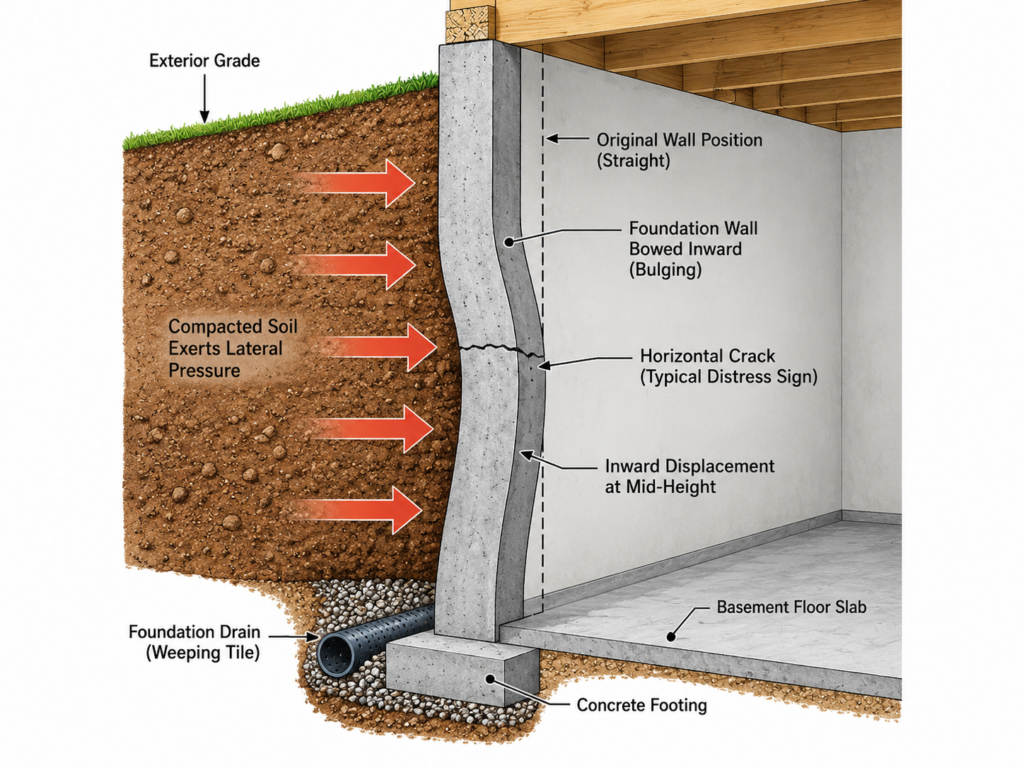
What Causes Walls to Bow or Lean?
There are several possible causes. In some homes, the wall itself is too tall or too slender for the loads being placed on it. In others, soil or water pressure may be pushing against the wall from one side. Poor drainage, saturated soils, expansive soils, hillside conditions, heavy backfill, or nearby construction activity can all contribute to lateral movement.
Older masonry walls can be particularly vulnerable. A wall may remain generally intact while gradually rotating out of vertical alignment. Brick, block, and stone can often show this type of movement.
Common causes include:
- Saturated soils
- Poor drainage
- Hillside or slope movement
- Inadequate wall thickness or reinforcement
- Heavy loads placed near the wall
- Deterioration of older masonry
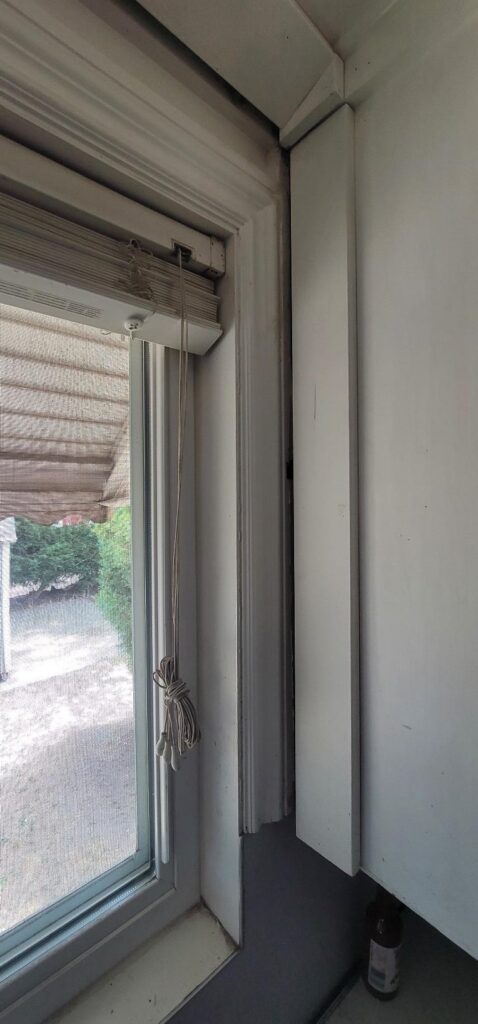
What Does a Bowing or Bulging Wall Look Like?
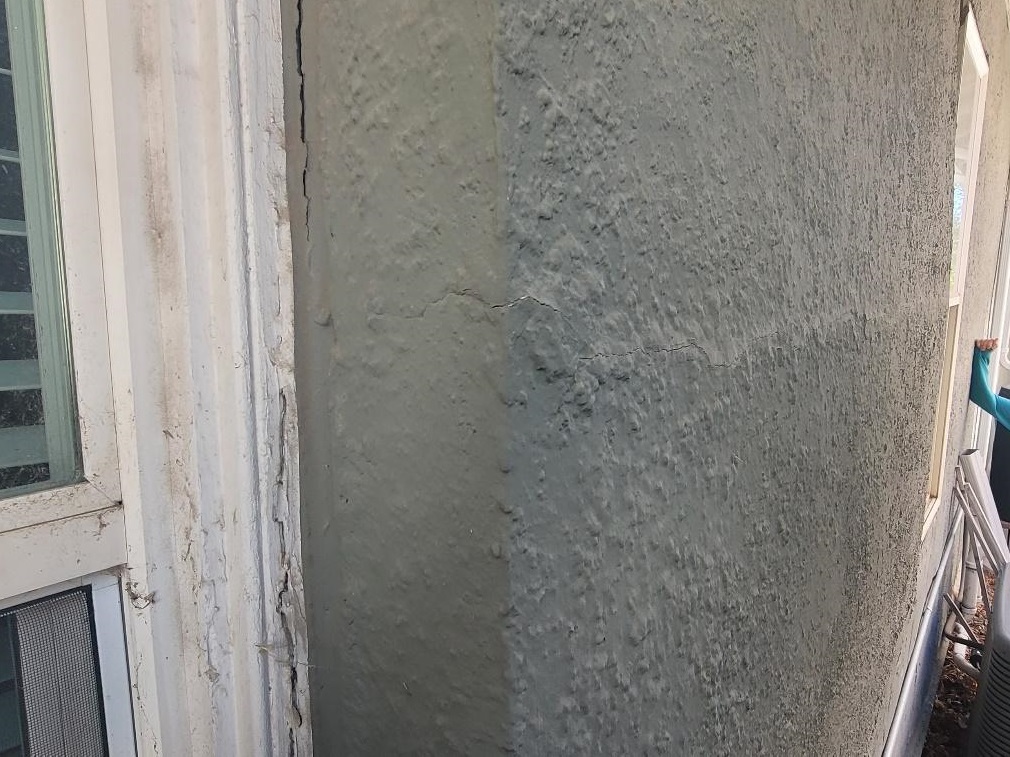
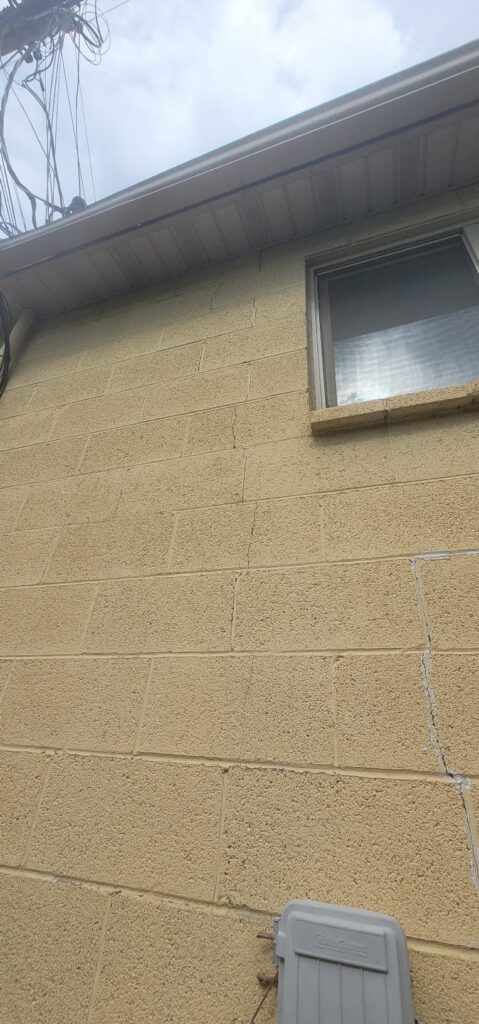
The movement is not always obvious at first. A wall may begin to lean slightly, bulge outward, or rotate away from the structure. Cracking often develops as the wall moves. In masonry walls, the cracking may be diagonal, stair-step, horizontal, or concentrated near corners and openings.
Other warning signs may include:
- A wall that is visibly out of plumb
- Bulging brick, block, or stone
- Cracking around windows or doors
- Horizontal cracking
- Cracks that continue after foundation piers have already been installed
Why Piers May Not Fix the Problem
Structural piers are designed primarily to resist downward movement.
If a footing is sinking, a pier can transfer that load to deeper material. But if the wall above the footing is bulging or rotating, supporting the footing alone may not address the force causing the wall to move.
A wall can remain supported vertically and still move sideways.
This is why it is important to identify the direction of movement before selecting a repair. Installing an expensive pier system for a lateral wall problem may leave the primary structural condition unresolved.
How Are Bulging Walls Repaired?
The correct repair depends on the wall, the direction of movement, and the cause. Some walls can be reinforced. Others may require bracing, anchors, tiebacks, or structural connections to opposing walls or framing. Drainage or soil conditions may also need to be corrected.
In severe cases, the wall may already be too far out of alignment to reasonably restore. Demolition and reconstruction can sometimes be more appropriate than attempting to force a badly rotated wall back into place.
Possible repairs may include:
- Structural wall reinforcement
- Bracing
- Wall anchors or tiebacks
- Through-bolts and exterior plates
- Improved connections to the floor or roof system
- Drainage correction
- Excavation or soil-pressure reduction
- Partial or complete wall reconstruction
The objective is not simply to hide the cracking. The repair must address the type and direction of movement.
When Should a Bulging Wall Be Evaluated?
A wall that is visibly leaning, bulging, rotating, or separating should be evaluated by a structural engineer. This is especially important where the wall is masonry, unusually tall, part of a hillside structure, or where previous foundation repairs have already been performed without stopping the movement. The engineer will determine whether the wall is:
- Sinking
- Rotating
- Sliding
- Bowing
- Experiencing a combination of movements
The distinction determines the repair. A structural problem is not solved simply by choosing the strongest repair product. The repair has to match the actual movement taking place. Piers solve settlement. They do not automatically solve rotation or lateral movement.