
What’s in a Crack?
Here’s something that an experienced concrete technician said many years ago: “There are two kinds of concrete: the kind that is cracked and the kind that’s going to crack.”
It’s hard to find a concrete foundation or slab that has no cracks at all. Still, not all foundation cracks can be dismissed as “normal” – sometimes a crack can be your house’s desperate attempt to tell you that something is wrong – very wrong.
Homes were not meant to imitate jigsaw puzzles, and your home cannot protect you if it’s in pieces.
Here’s the Jist
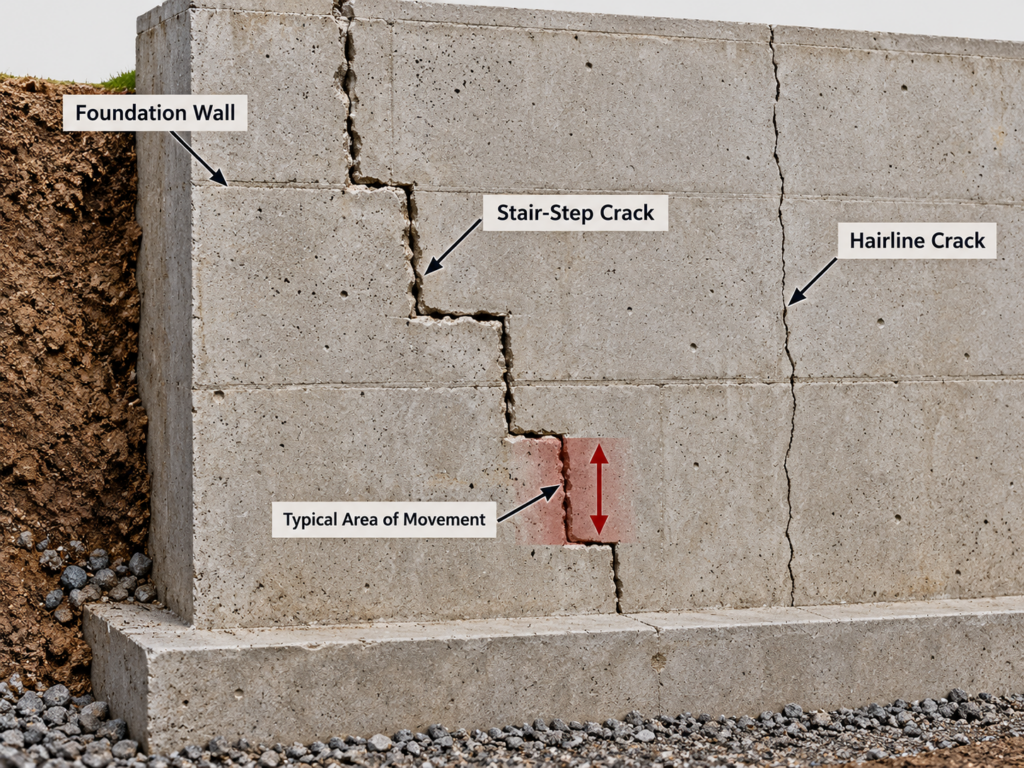
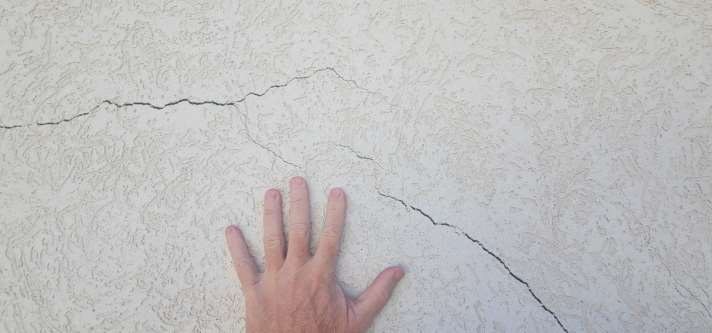
Concrete shrinks as it cures, and small cracks will develop during that process. Other cracks result from settlement, changes in soil moisture, or pressure against the foundation walls. The challenge is determining whether a crack is the “common” type, or if the crack indicates that the house is straining or failing. That task usually takes a trained eye.
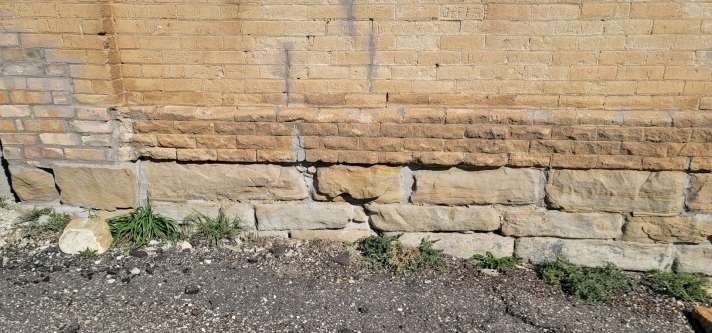
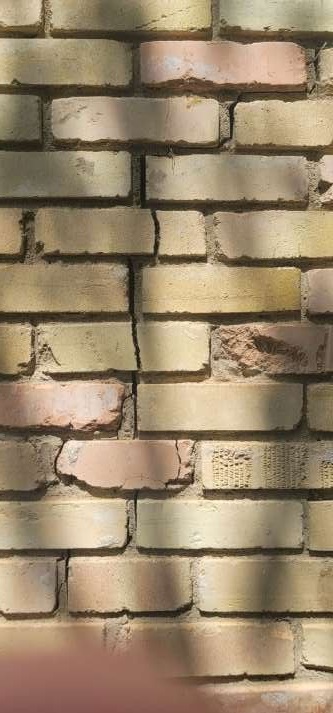
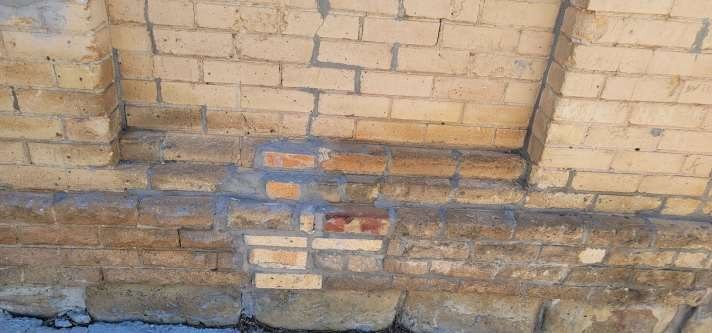
An experienced engineer is generally more interested in the nature of a crack than its mere existence. A narrow vertical crack may be of little consequence, while a horizontal crack accompanied by inward wall movement deserves considerably more attention. Stair-step cracks in masonry can indicate settlement, particularly when the cracks are wider at one end than the other.
Wider than a Nickel?
Crack width is important, but it is only one part of the evaluation. The location, direction, displacement, soil conditions, and landscaping conditions will tell a more complete story. The bit about the crack being important only if it’s wider than a nickel? Yeah – somebody made that up.
It’s always about water
Water also deserves attention. Over many years of inspecting homes, the engineer has found that inadequate drainage is frequently associated with foundation movement. Roof runoff, sprinklers, and surface water can change the moisture conditions of supporting soils, sometimes with substantial consequences. Here’s something you’ll want to remember: Soil supports a structure much better than mud does. Don’t let your structure be supported by mud. Long term mud issues can cost you upwards of six figures and a lot of headaches.
Determining the difference between active and historical movement is often the most important part of a structural evaluation. A trained and experienced eye can often gather that kind of information.
Posers and Sales Reps
Finally – beware of contractor reps, salesmen, adjusters and brothers-in-law who call themselves engineers. If they are not licensed as an engineer, they’re probably not an engineer. They can tell you what they don’t really know, and in many cases will just tell you what they want you to believe.
If you need an independent, experienced and unbiased expert, call someone who fits that description. We’re ready to help you when you need us.
