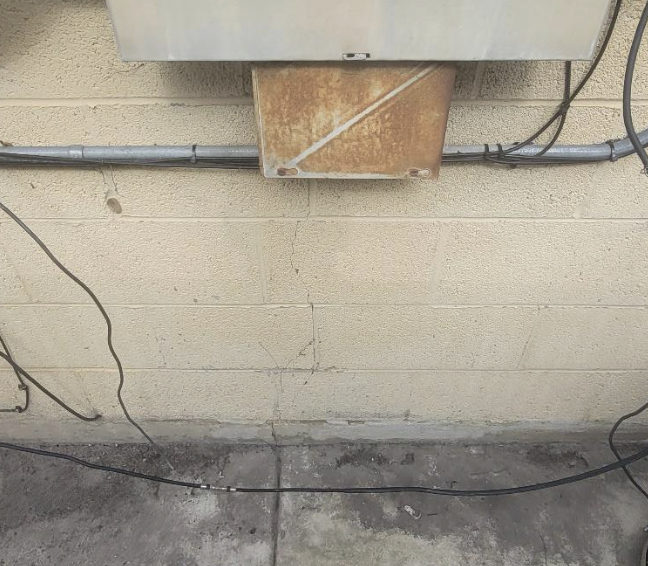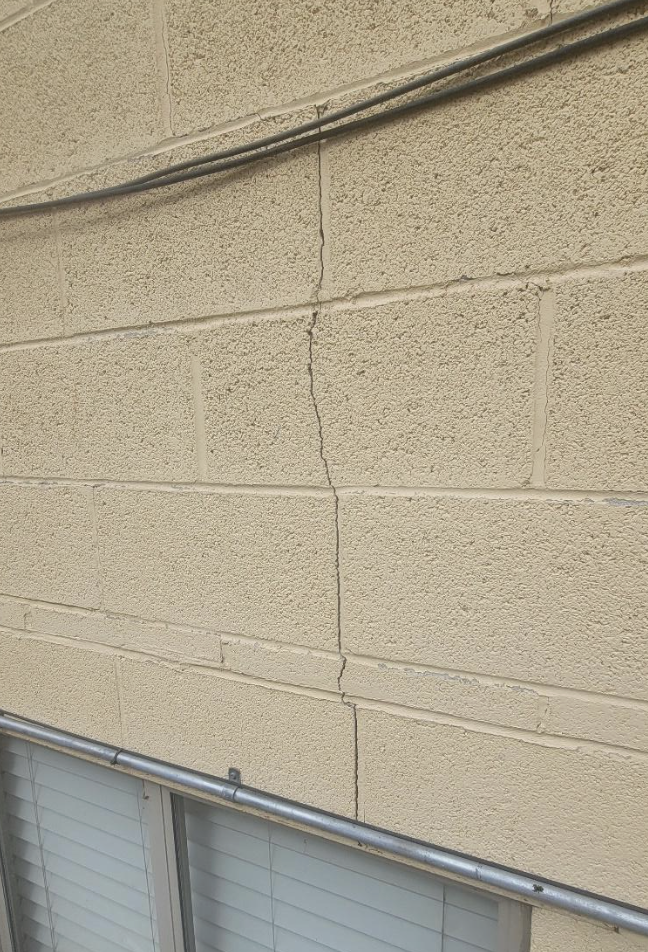
Today we visited a home built in 1970 in Sandy, Utah, where there were some very visible cracks along the north side of the home. As seen in the pictures, this home’s exterior walls are made of masonry, just like an inspection we did last week. Last week we visited a home on a moving slope, which rarely implies a permanent solution; however, in this home there is much more hope. The number of cracks in this home is much greater, but the number of cracks is the main concern when finding permanent solutions. The main concern is always the origin of the cracks.
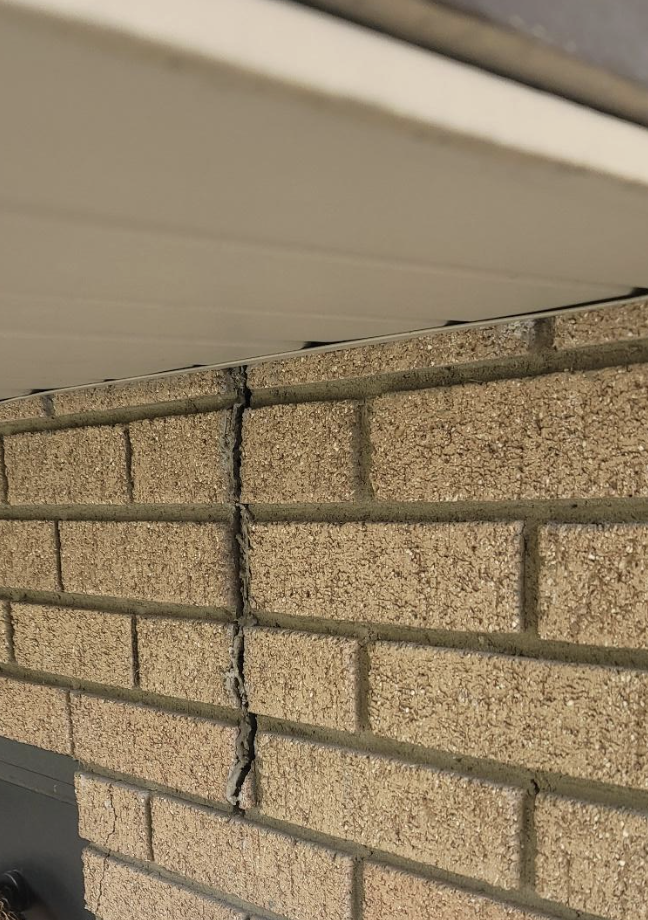
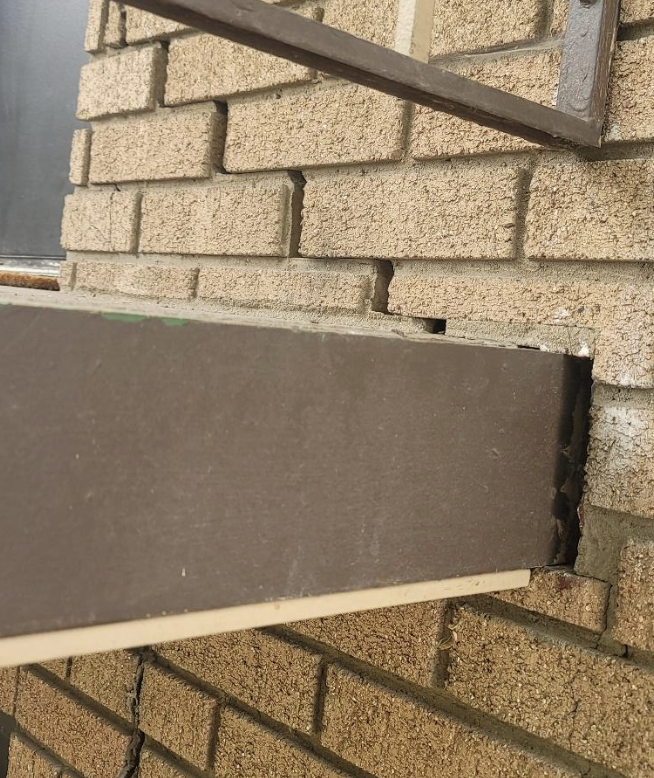
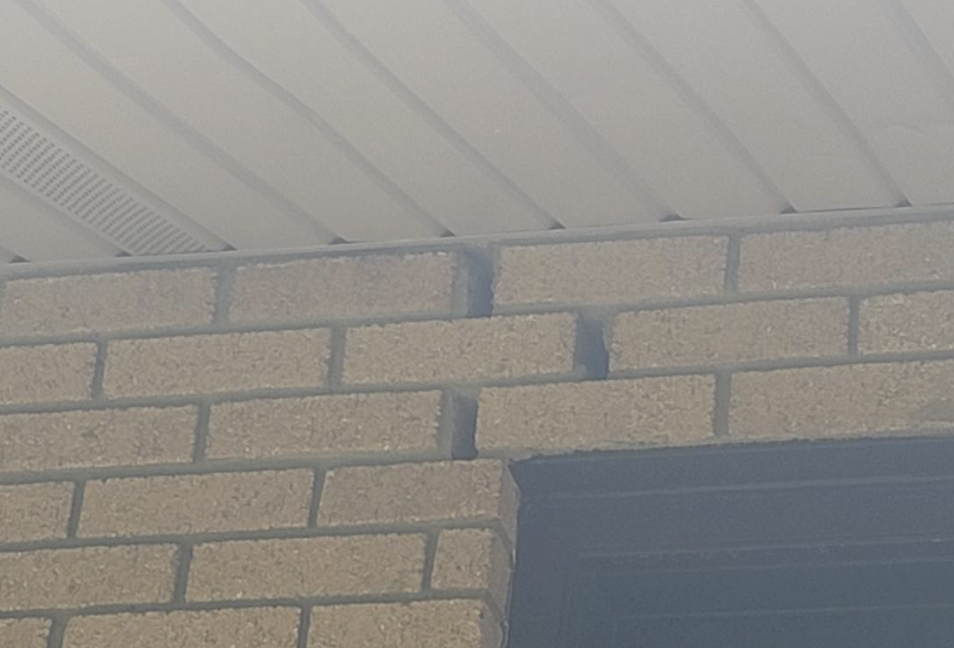
The cracks on this home most often follow a stair-step pattern and, in one place in the house, completely separate some bricks from the others nearby. The cause of these cracks is most often walls or corners of the home sinking deeper into the ground than intended. The corners along the north wall appeared to be rotating downward and away from the building. A section near the east portion of the north wall was also rotating downward near midspan.
So much sinking in multiple areas suggests that something major is happening within the soil that is depleting the soil’s structural integrity to support the home above. Upon further inspection, it was found that improper drainage was the cause of the unintended settlement of the home. When water gets below the foundation of the home, the dirt turns into mud. With so much load from above, that mud squeezes to the sides of the home and lets the home sink into the ground.
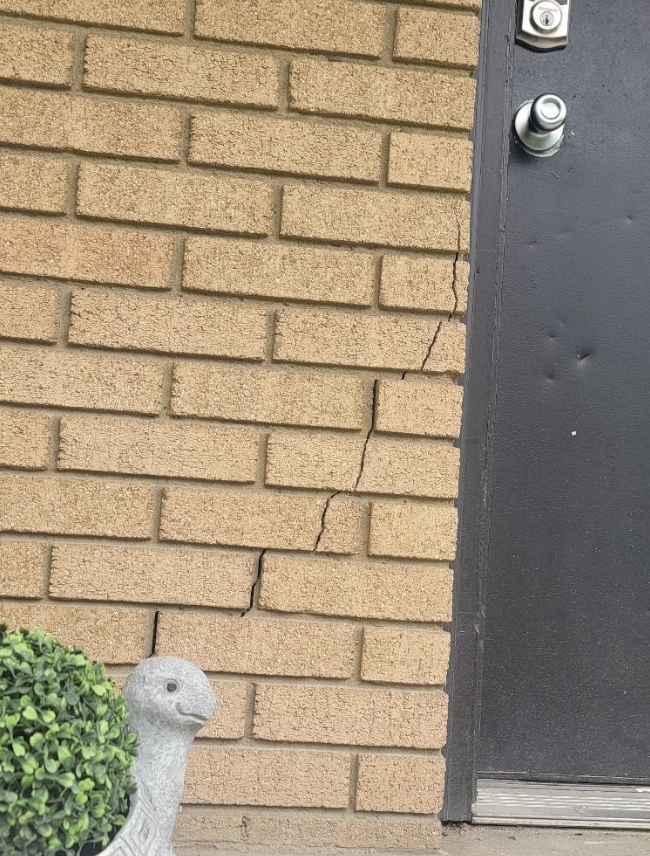
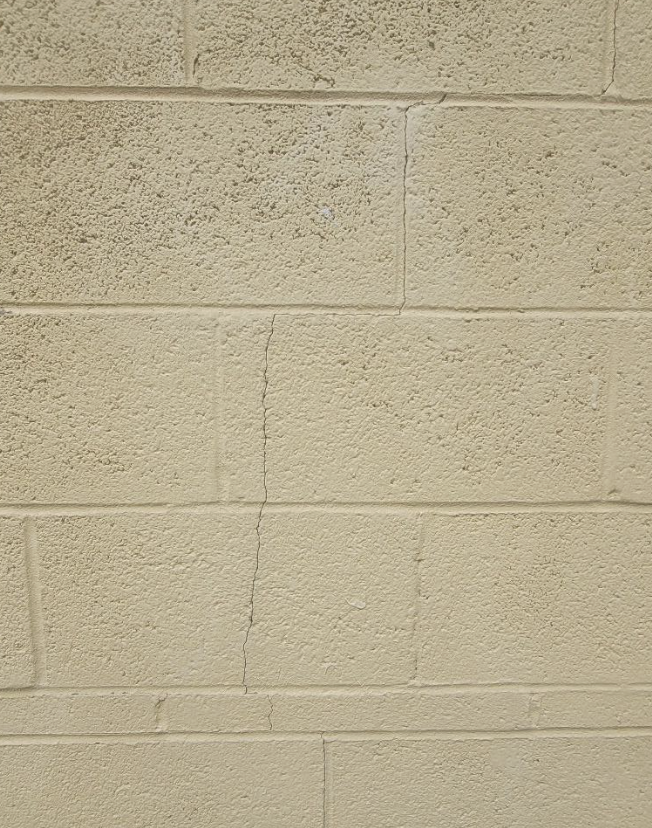
The most common cause of unwanted water getting into the ground is poorly placed sprinklers, improper rain gutters, and land grading towards the home instead of away. For this home in Sandy, Utah, the sprinklers were observed to literally hit the house, which allows major amounts of water to seep beneath the foundation. Additionally, the gutters were fully functional and clean; however, the rain gutters dropped the guided water from the roof right onto the corners of the home. These are the main reasons so much sinking has been observed over the past few years: improper water dispersal.
The home was most likely built with proper sprinklers and gutter filtration; however, homeowners have full liberty to do whatever they please with sprinklers and gutters, which allows for some unfortunate circumstances just like this one. The current homeowner may never even realize this was a problem, but that could be because the previous homeowner messed up the sprinklers and gutters. Without knowing how long this improper drainage has been happening, it’s hard to know how safe your home really is.
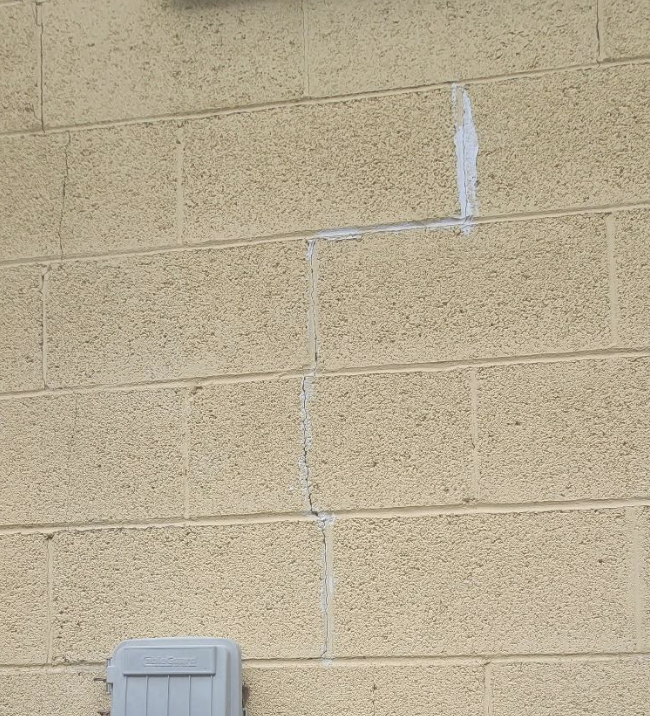
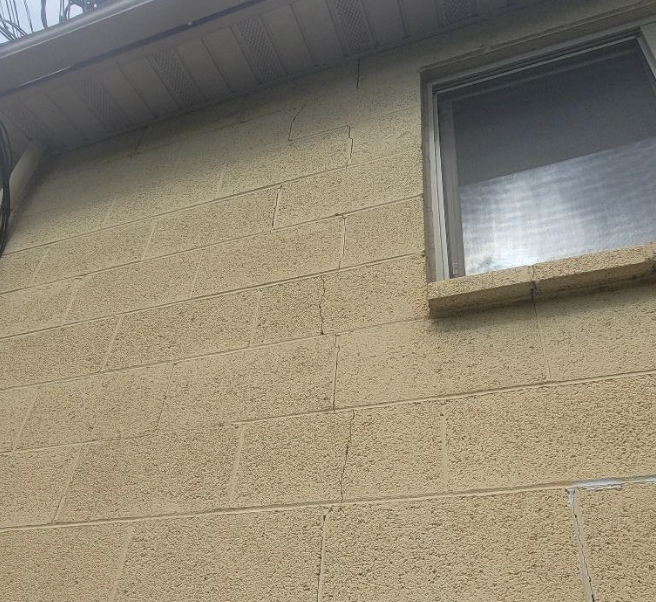
After the origin was diagnosed, steps to return the home to its proper frame can be taken. Due to the severity and amount of cracks, we highly recommend that this home have structural piers installed to hold the home solidly in place and return the home to where it should be. The settling of a home like this needs structural piers because after the home has already sunk as much as this one has, it needs to be lifted first. After the home is firmly secured with structural piers, the cracks will stop getting worse. It’s highly recommended that the improper water drainage be fixed as well. If water continues to seep underneath the foundation of the home, the structural piers will still hold, but other problems may be introduced. It’s always best practice to fix the problem itself and the origin of the problem, and we always recommend best practices.
There are cracks on the south side of the home; however, this is caused by the north wall sinking, not sinking of the south wall. Structural piers on the south side of the home are unnecessary and solely act as an unnecessary expense. With all of this information in mind, the whole home would fall if there were an earthquake. Even though only the north wall is sinking, that sinking affects the structural integrity of the whole home, as seen by cracks on the north side and the south side of the home.
All in all, structural piers are necessary in some areas, but that won’t do. Water drainage must be corrected also to sufficiently protect this home from further damage. The home is currently at risk and will most likely fail in extenuating circumstances. We recommend making these fixes as quickly and swiftly as possible to minimize future risk. We wished the best for these homeowners and gave them multiple referrals for good structural pier companies and water drainage correction companies.