
Problem vs Problem Origin
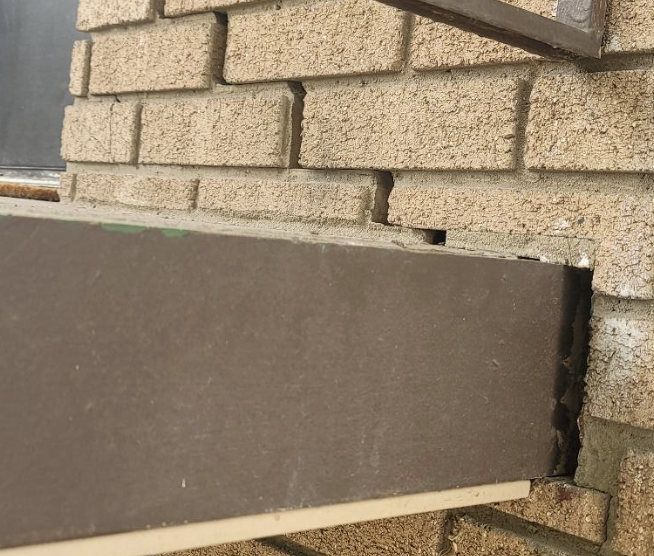
Today we visited a home built in 1970 in Sandy, Utah, where there were some very visible cracks along the north side of the home. As seen in the pictures, this home’s exterior walls are made of masonry, just like an inspection we did last week. Last week we visited a home on a moving […]
Invisible Risks
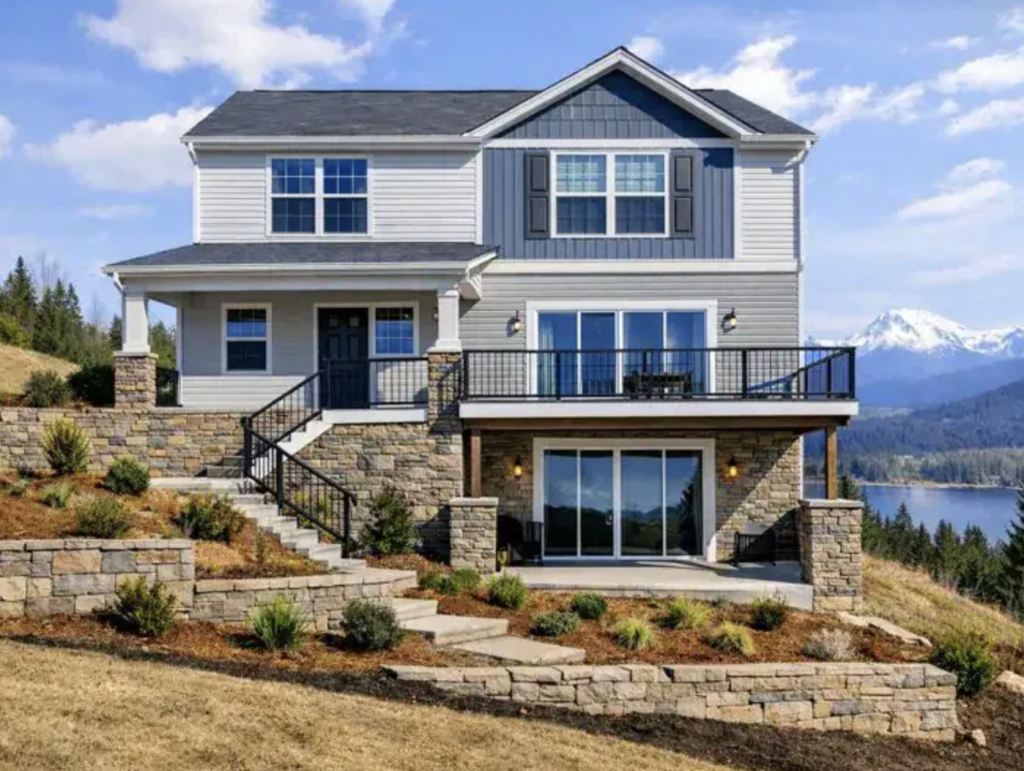
Hello everyone, the blog posts will now resume. There was a short break in blog posts due to a completely full schedule of structural inspections over the past couple of months. Crossroads Engineers strive to provide up-to-date information for your convenience and to ensure that our engineering practices are up to standard with the most […]
Good New and Bad News
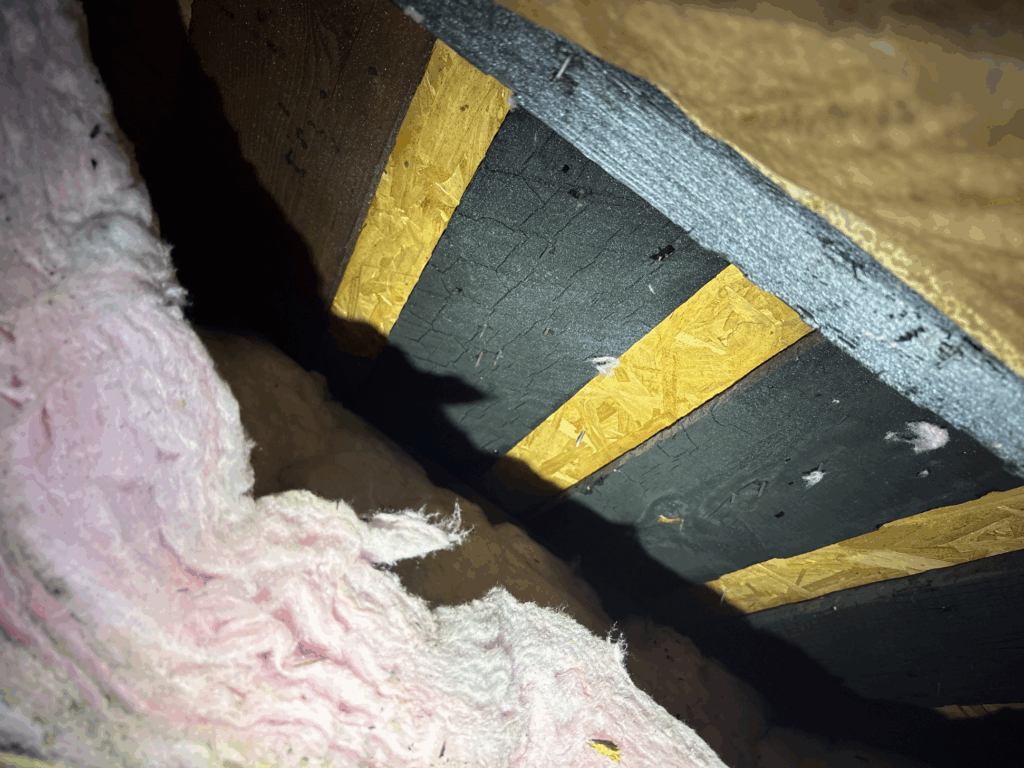
Two of our clients asked us engineers to scope out a property in Sandy Utah a couple months ago. We inspected the house and gave the clients our professional opinion about what would need to be done to make this house safe to live in. The reason they called us out for inspection of this […]
Some Really Good, Some Really Not
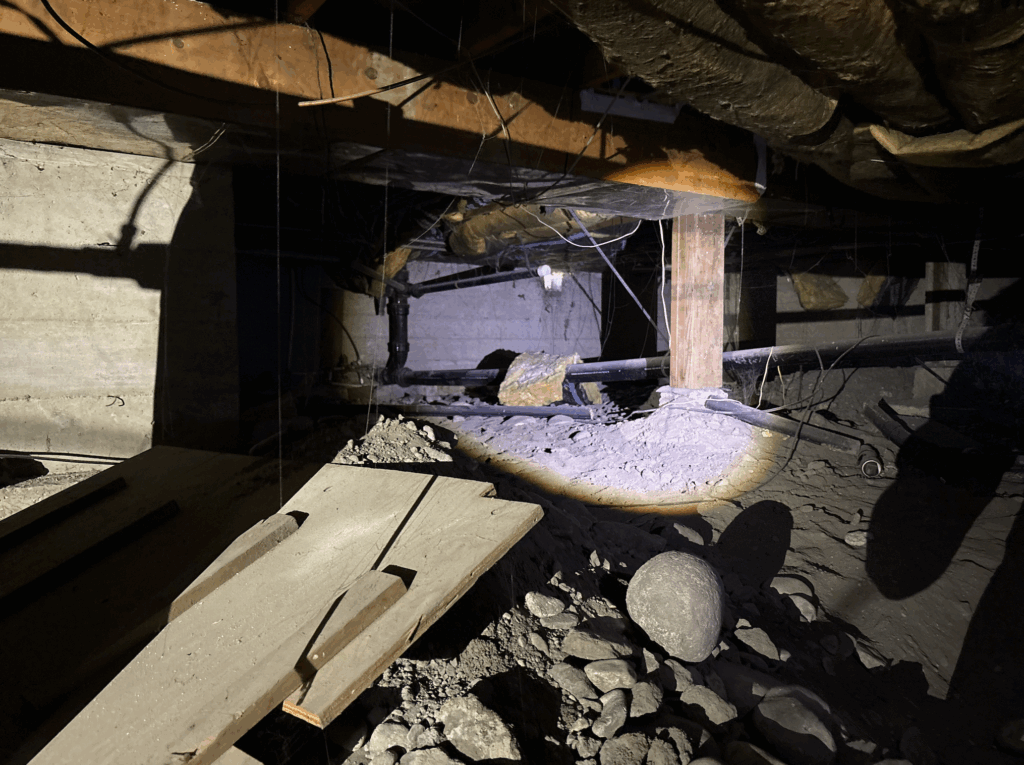
While inspecting a home located in Provo, Utah, we found that many parts of this home didn’t line up. Some portions of the home were nice, new, and very well built while other parts of this Provo home were just the opposite: slanted, improper, and crumbling. The reason we came out to inspect this house […]
That’s Not Supposed to Be There
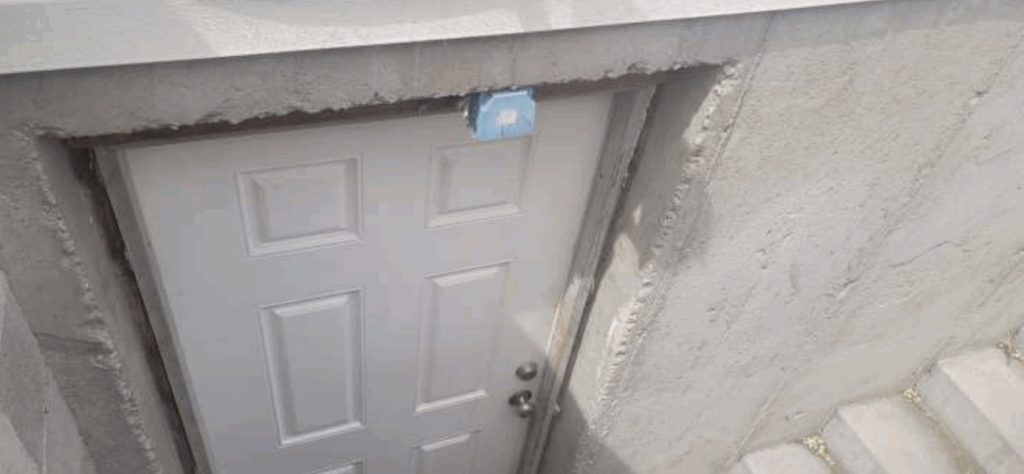
We were called out today to a home located in Salt Lake City, Utah to assess a basement door with a question surrounding it. The homeowner had owned the home for about a year and had some questions about an entrance to the basement level of his home. He finally sought out a professional to […]
City Inspectors and Scammers
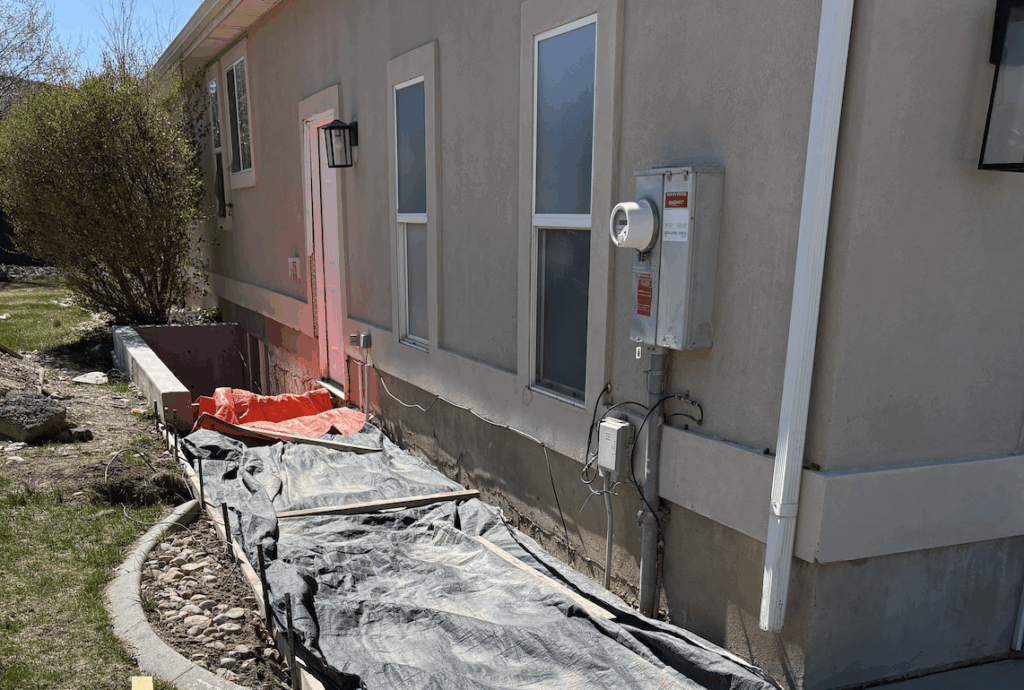
Today involved a busy day visiting three houses, all with various structural needs and compromises. The first and last houses were located in the Salt Lake City, Utah area while the second house was located in Alpine, Utah. We saw a typical layout of reasons why these homes required structural analysis. The first home that […]
One of These Doesn’t Look Like The Other
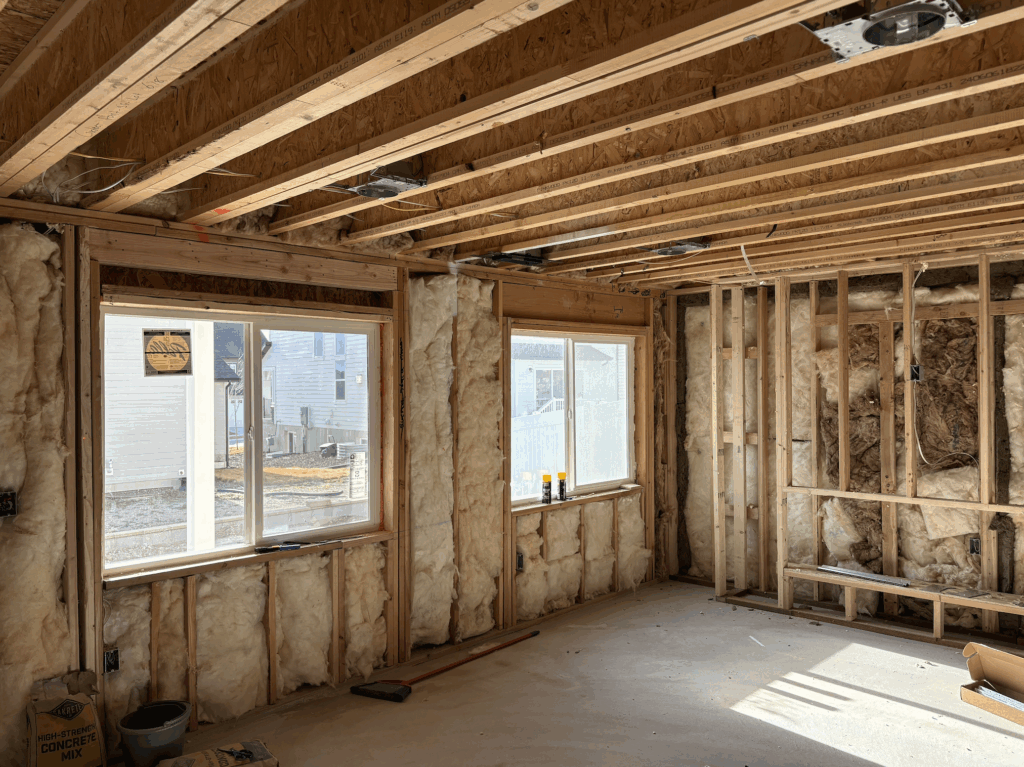
Arriving in Salt Lake City, Utah, a newly built home within the past two years is in the hot seat for a structural analysis. The homeowner’s original goal was to close one basement window and open three sections in an adjacent wall. Two holes for windows and one hole for a basement door. After receiving […]
Too Many Walls, Let’s Remove Some
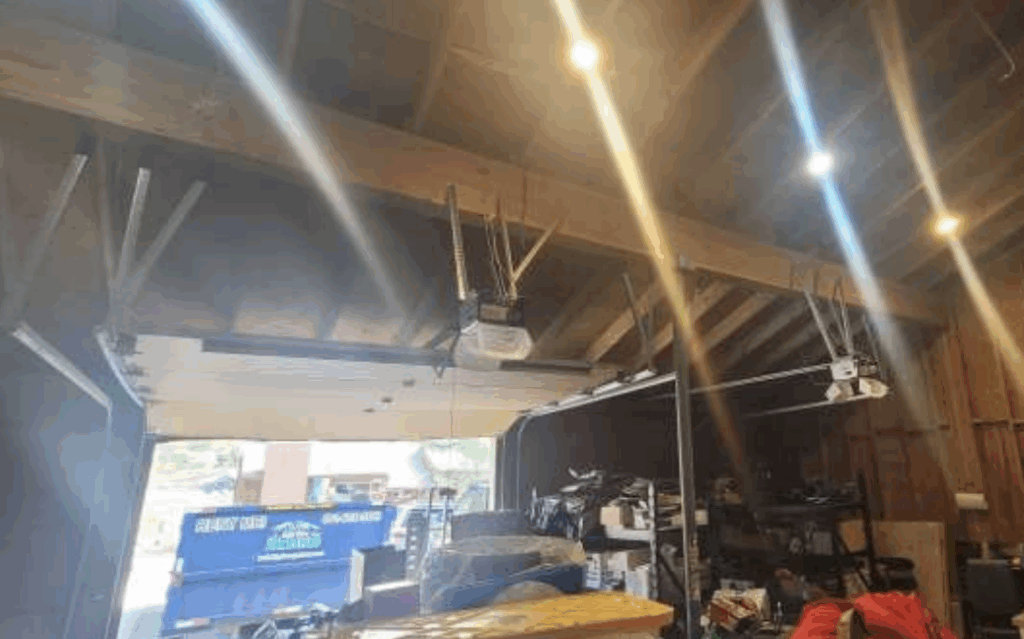
In Cottonwood Heights, Utah, a home sits along the Wasatch Front with a view that many homeowners dream about. From the back side of the property, the valley stretches out across the Salt Lake area, offering a wide and uninterrupted landscape. Our client wanted to remove several interior walls in order to open the home […]
When One Fails, They All Fail
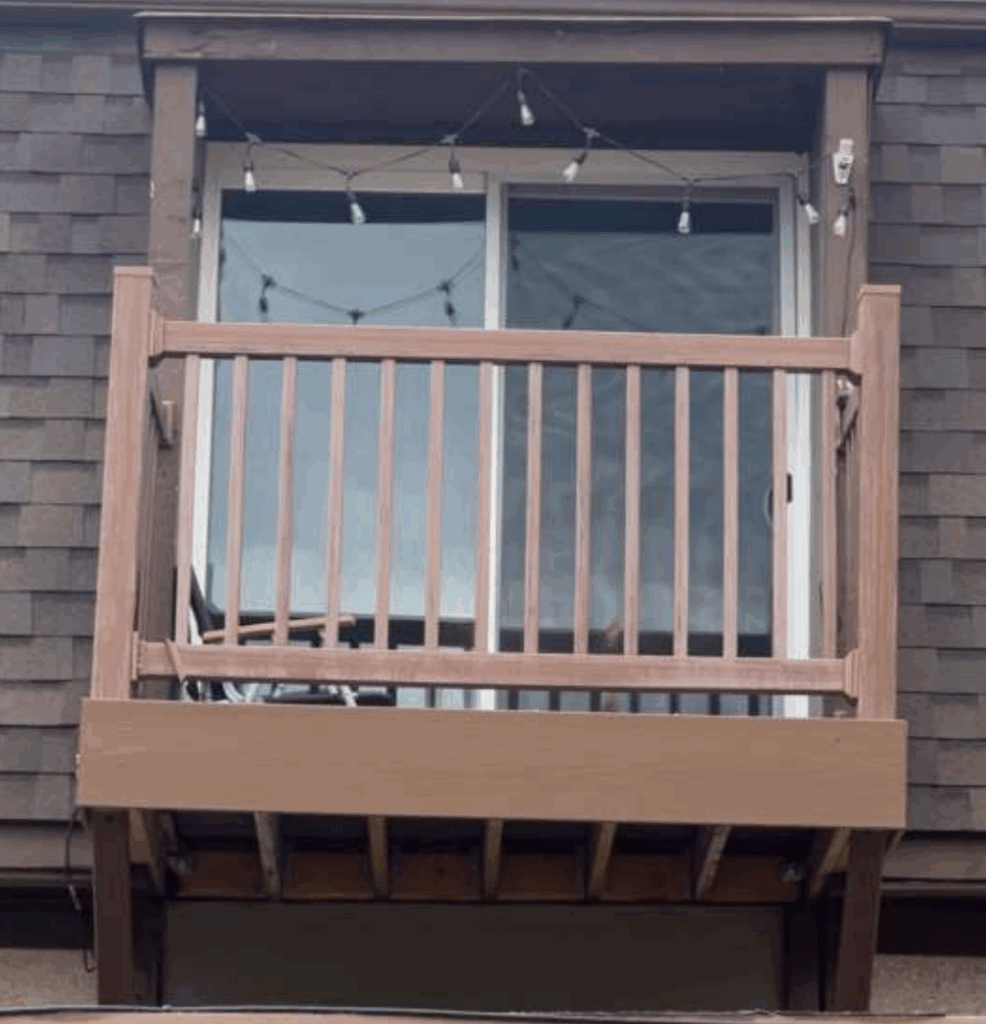
We were called out by the Willows Homeowners Association to perform a structural evaluation of the exterior balcony systems throughout the development site. The community includes multiple condominium buildings and townhomes arranged around central ponds that encourage constant pedestrian traffic. Balconies overlook these shared spaces. Their distinct purpose is to carry load every day safely. […]
Helical Piers to Save the Day
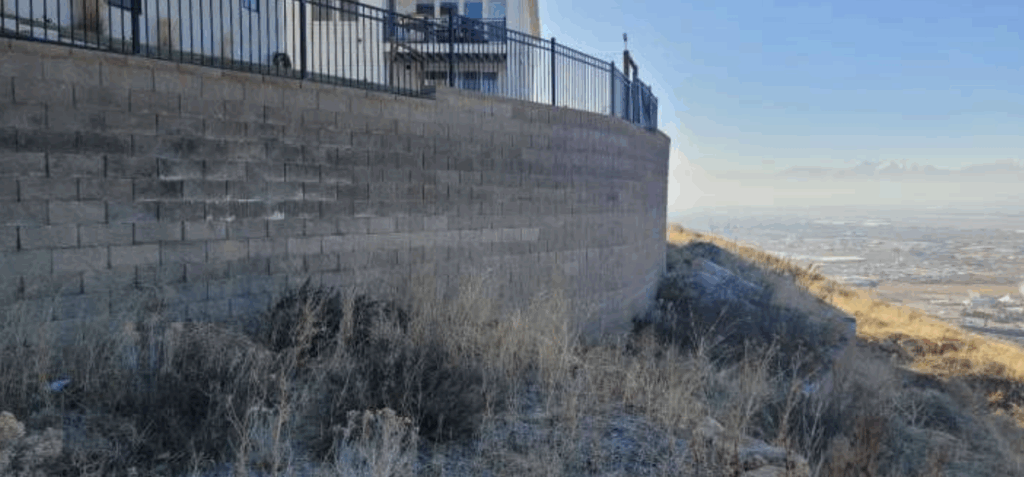
About a year ago, we performed a structural inspection in North Salt Lake, Utah. According to an online source, the residence is a six bedroom, six bathroom single family home with approximately 4,094 square feet of living space. The home was constructed in 2022, making it relatively new by any standard. Despite its age, the […]