Arriving in Salt Lake City, Utah, a newly built home within the past two years is in the hot seat for a structural analysis. The homeowner’s original goal was to close one basement window and open three sections in an adjacent wall. Two holes for windows and one hole for a basement door. After receiving an initial city inspection, receiving proper permits, and carefully coordinating with the contractor, the basement renovations seemed to be complete. This was the assumption until a secondary city inspection rolled around. This time, there were many problems with the renovations, as well as other parts of the basement that didn’t have anything to do with the changes, but still didn’t pass the second inspection. Oftentimes, a city inspection can be a hit or a miss. It’s unfortunate when the first is a miss and the second is a hit, because that’s when real problems start to arise. After committing to a structure, it’s very disheartening to be revisited and told to redo the whole project. This is why it’s important to call a professional engineer early onto the scene to give proper structural directions the first time.
The window that was closed was actually no problem at all. The wall that housed that window bore no load at all. Removing the window and replacing the empty gap with insulation and framing dealt solely with the homeowner’s preference and didn’t require any structural analysis at all. Walls like this are great cosmetic walls that the owner is allowed to get creative with; however, in this case, all that was done was closing a gap.
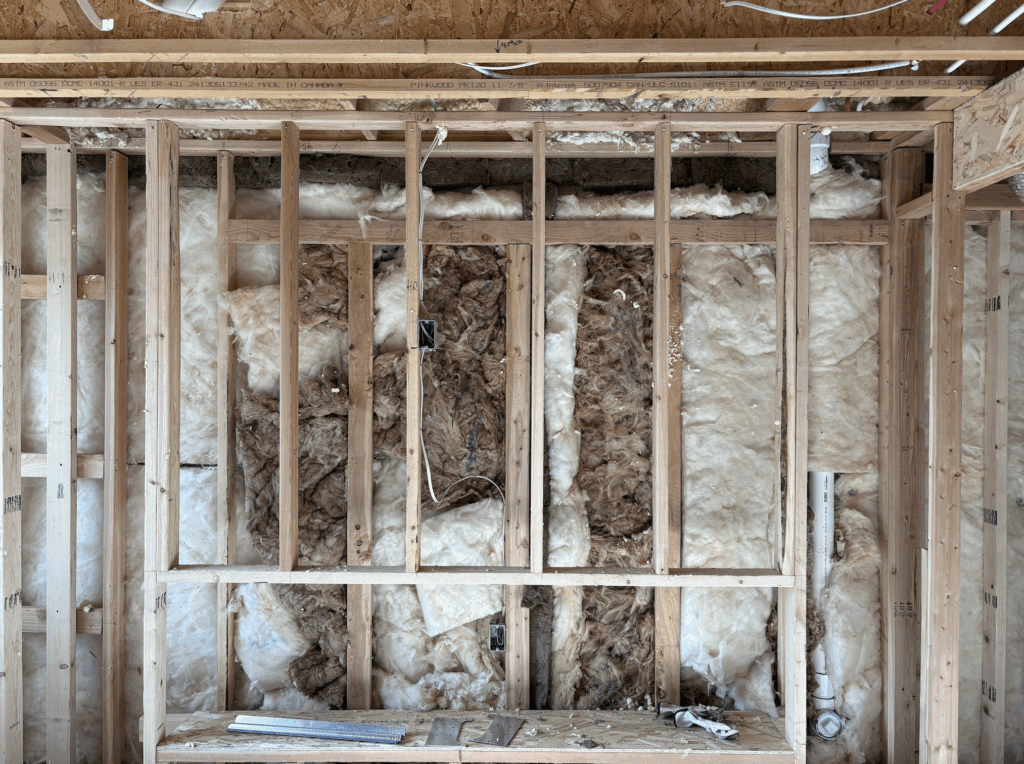
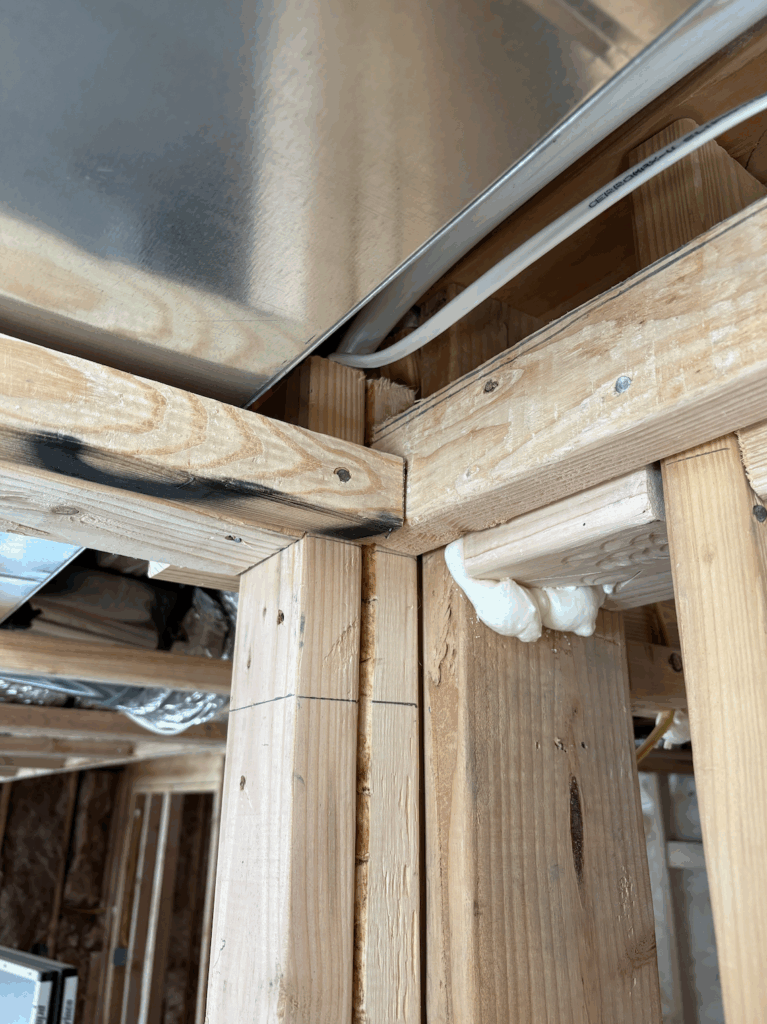
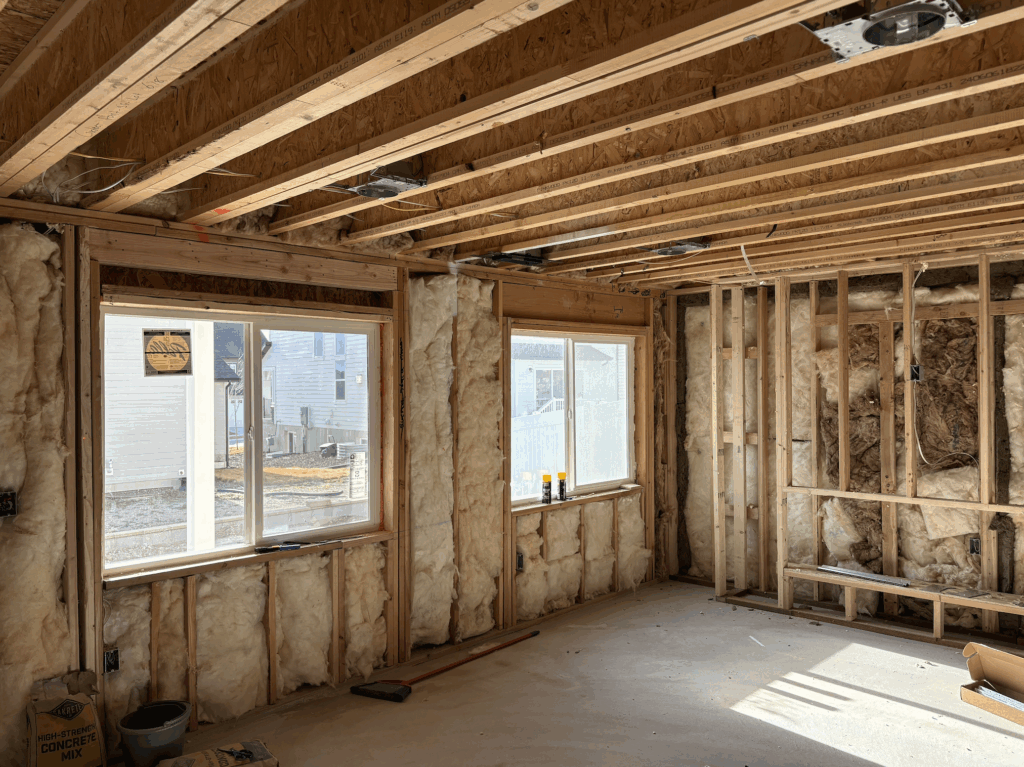
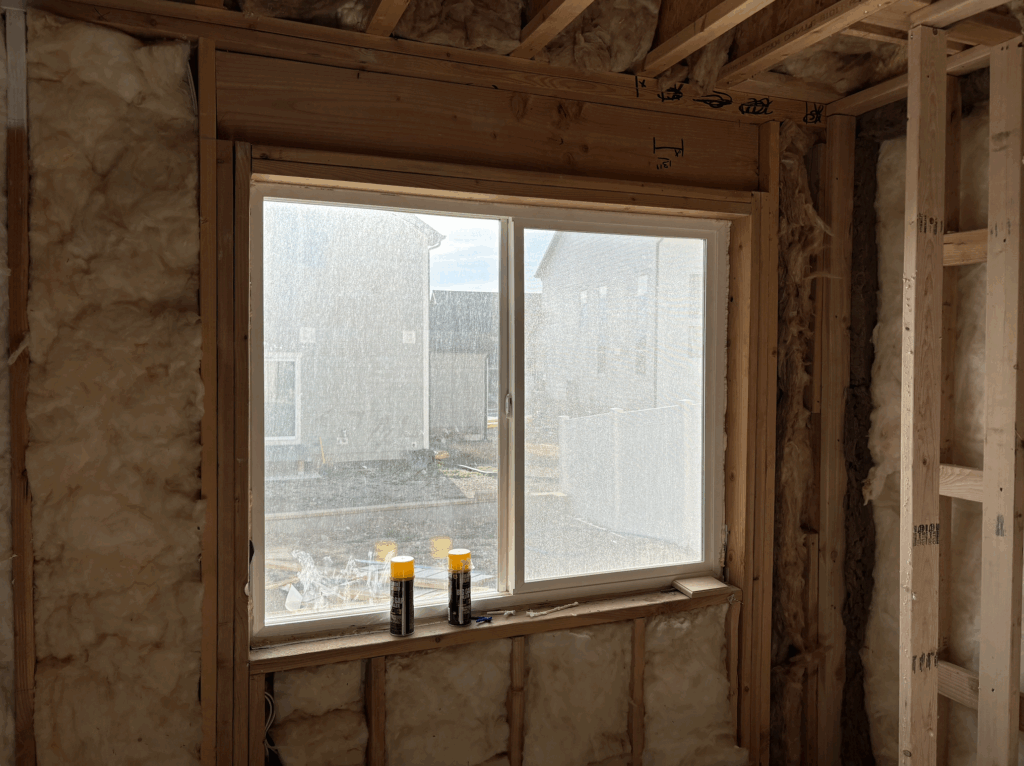
The adjacent wall, however, is a load-bearing wall that requires structural attention and careful consideration. On this wall are two new windows and one new door. The window on the rightmost side of this wall was installed with two 2x8s as the window header to help transfer all the load from above, across the wall, and down the sides of the window onto two 2x4s on each side that stood vertically. This was much different than the window directly next to it on its left. Normally, when two windows are installed at the same time, on the same wall, with the same dimensions, they are installed with the same structural support. This time, this was not at all the case. This window had three 2x4s layered next to each other that had a single vertical 2×4 on either side of it to transfer the load from above.
The builder who installed these windows may have tried to replace two 2x8s with three 2x4s to attempt to transfer the same amount of load; however, this is not how structures function. Increasing the base of a header by 1.5x does not even come close to the structural stability that doubling the height of the header induces. This lack of good judgment put this window header on the verge of passing or failing code. Calculations will be done to properly determine if this header will still qualify to support the load, but regardless, this is really cutting it close.
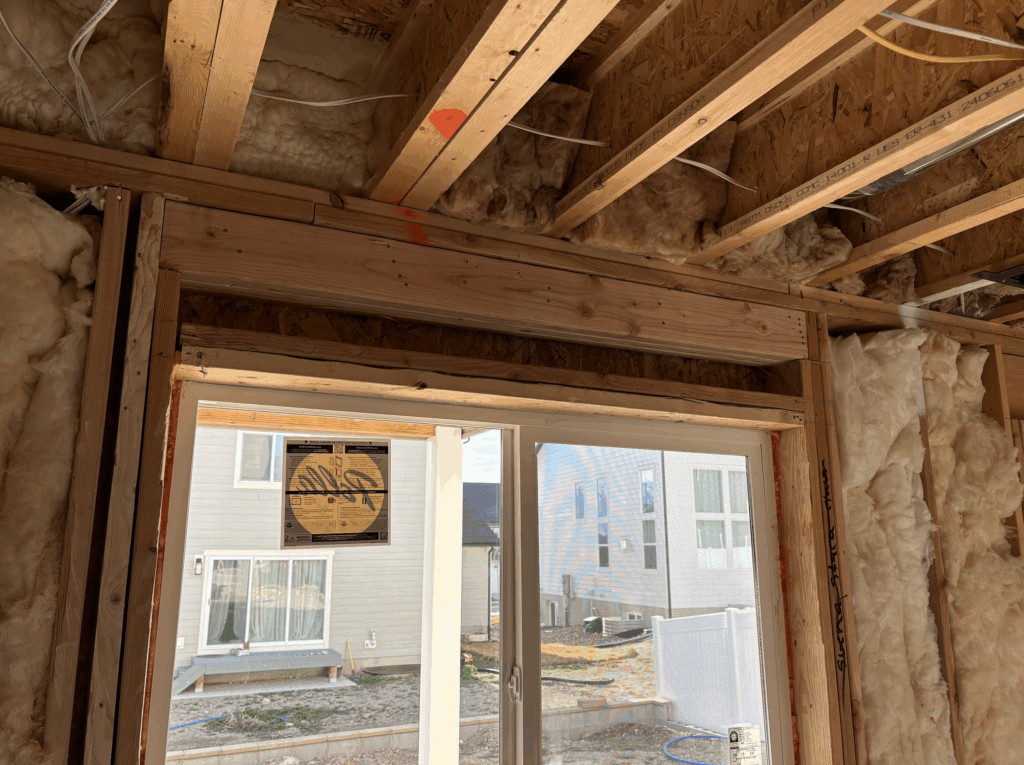
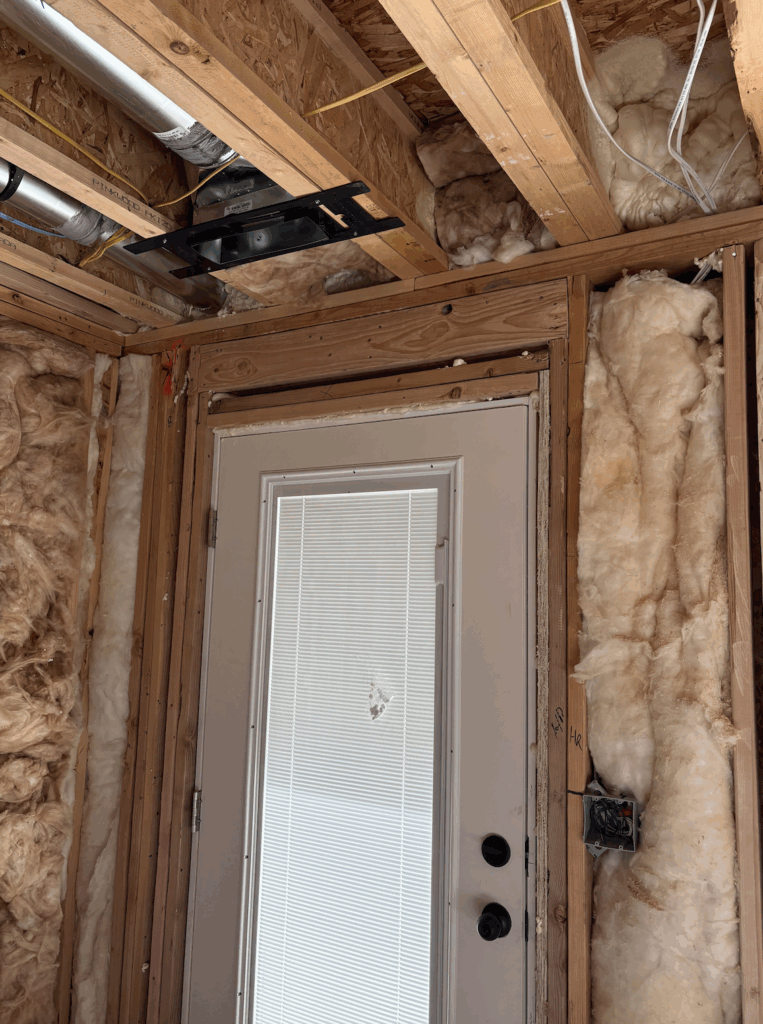
The door is the next element to be inspected for structural deficiencies. As seen below, the span of the door is greatly less than the span of the five-foot-long windows on the same load-bearing wall. The door header is also seen to include three 2x4s resting on a single vertical 2×4 on each of its sides. If the window was cutting code close, then this door header should easily meet the requirements to properly support what’s above. This can also be verified with proper calculations.
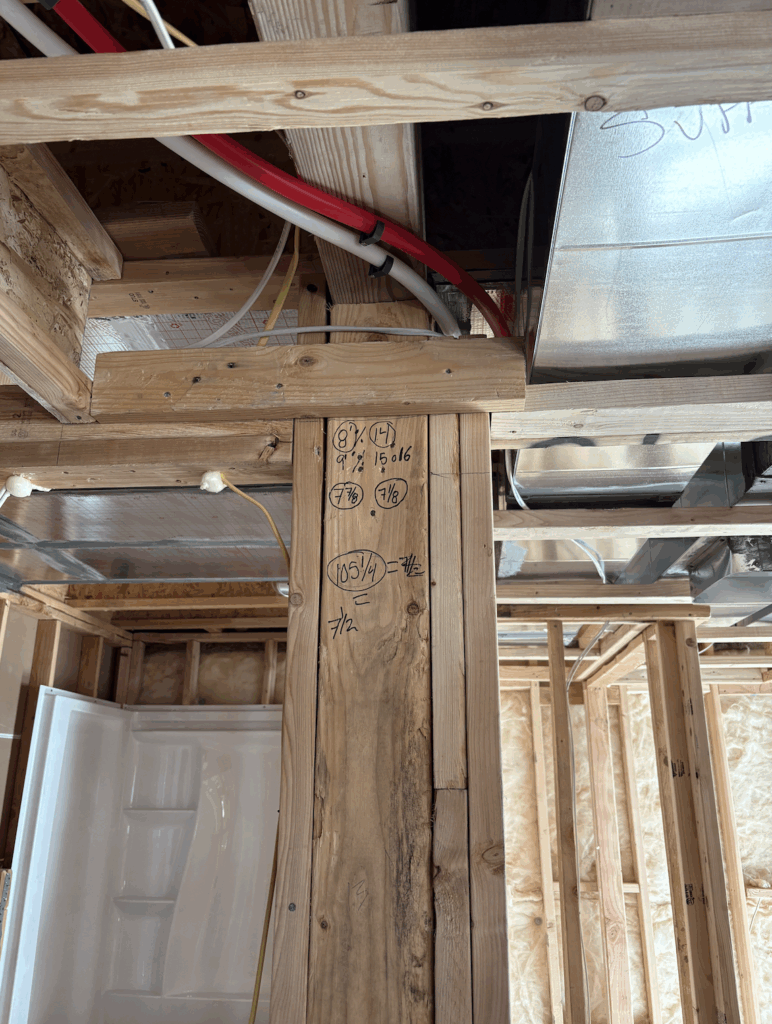
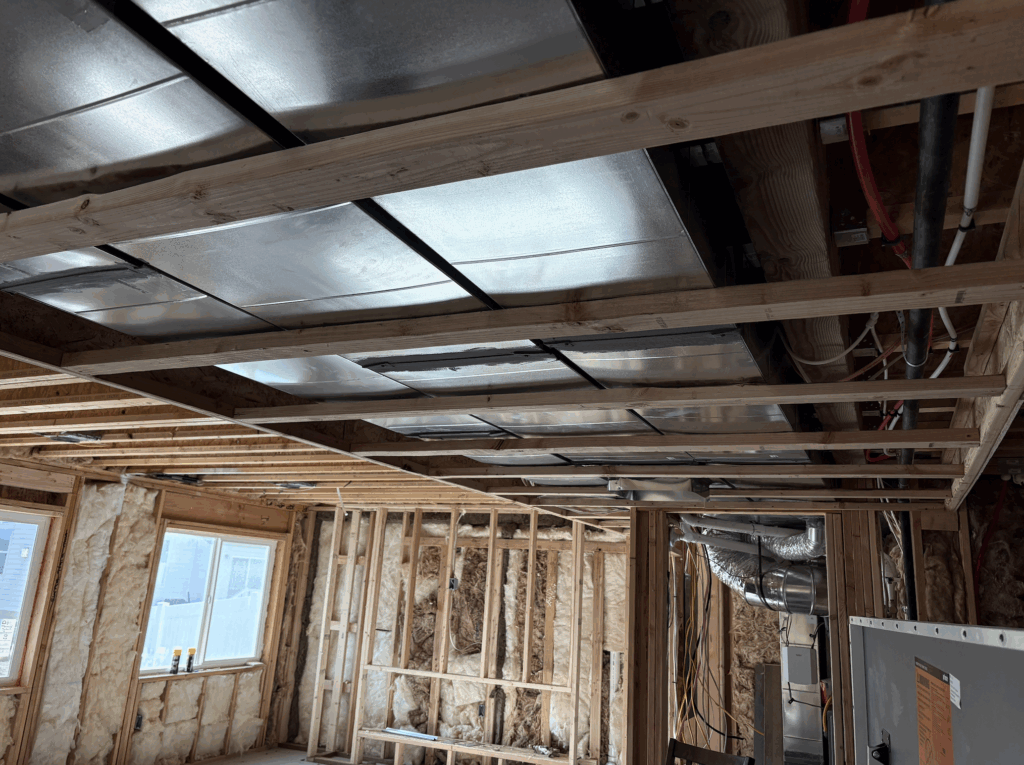
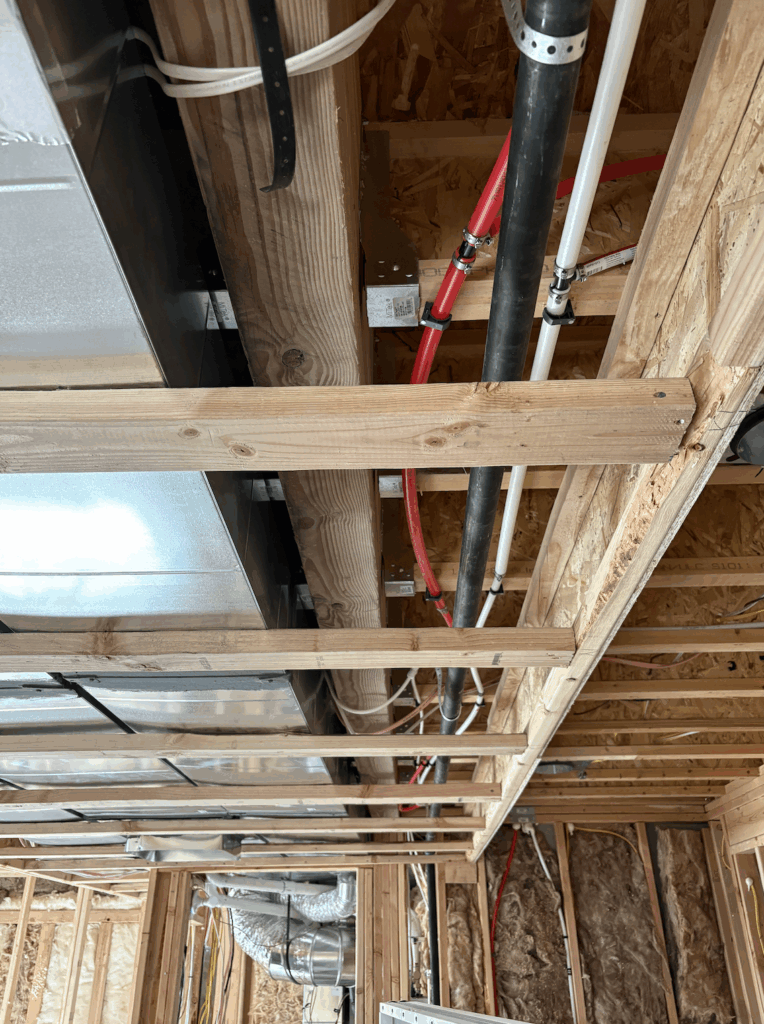
Lastly, the main beam in the basement is absolutely huge, but if the support that it rests on is weak, the strength does nothing. We inspected the vertical support that lifted this main beam up and found that it was nowhere near the size and strength it needed to be. This is the real heartache when the first inspector misses something crucial and the second inspector catches it. This main beam literally holds up the entire basement ceiling and everything above it. All the windows and doors we just mentioned transfer loads down from this one massive beam on skinny legs. If this beam fails, everything fails. Additional supports are required for the sustainability of this home, and calculations will be done to find exactly what additional supports are necessary.
All in all, this homeowner has a lot to figure out. Many of these problems could have been avoided if proper guidelines had been followed by builders and city inspectors, but problems are always much more noticeable at the very end of a project. Fixes can and will be made to secure the home’s basement properly.