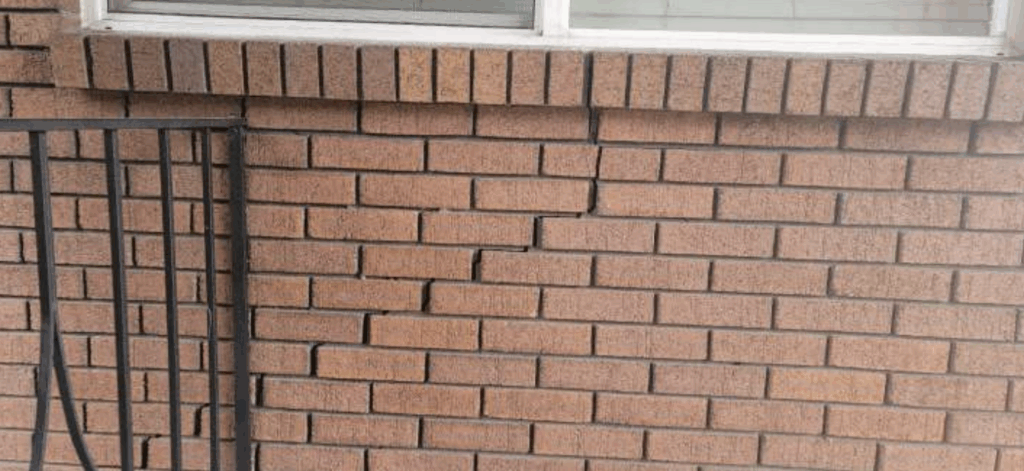
Structural questions? If you need a foundation evaluation, or need to know if that's a structural wall, or need a beam sized or a basement converted to a rental space, we can help. If your roof collapsed, or might do that tomorrow, we can help. If there was an explosion or fire, or somebody hit your house with a car, we can help. We speak the language of joists, columns, beams and rafters and collar ties.
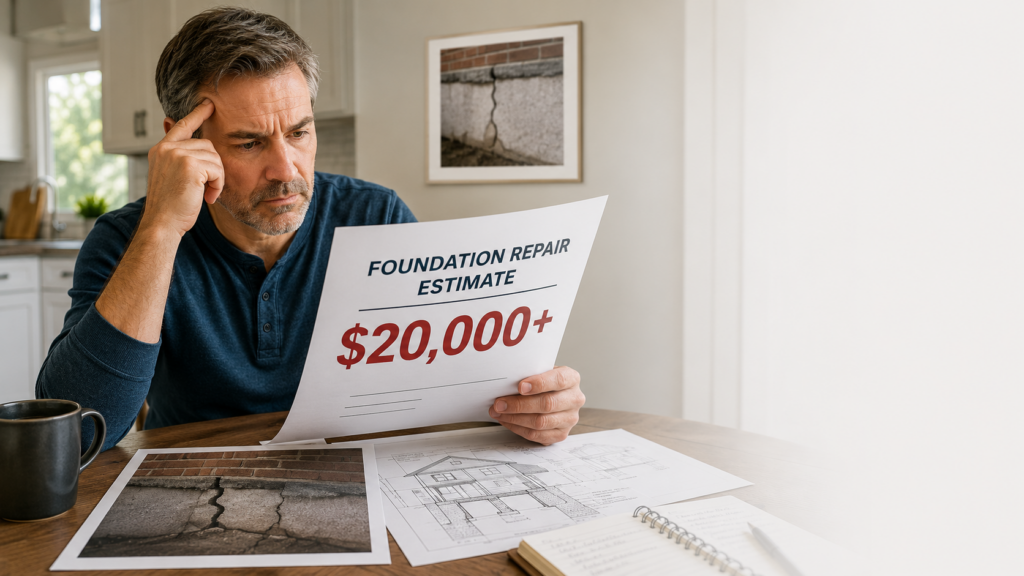
Let’s be real: structural pier reps are there to sell structural piers. Before you spend tens of thousands of dollars on foundation repair, get an independent opinion from a structural engineer – someone with no agenda other than to guide you.
Crossroads Engineers helps Utah homeowners understand whether they actually have a structural problem, what is causing it, and what should be done about it. Structural piers can be the right solution for the right problem, but they are not the right solution for every structural issue.
Foundation repair companies often recommend helical piers, push piers, or other expensive repair systems after seeing cracks, settlement, sloping floors, or foundation movement.
Sometimes piers are the right solution. Often, they are not.
At Crossroads Engineers, we provide independent structural inspections for Utah homeowners who want to know what is actually happening. We help you do that before you commit to a major foundation repair contract.
We do not sell pier systems. We do not install foundation repairs. We are not paid based on the size of the repair.
Our job is simple: tell you the truth.
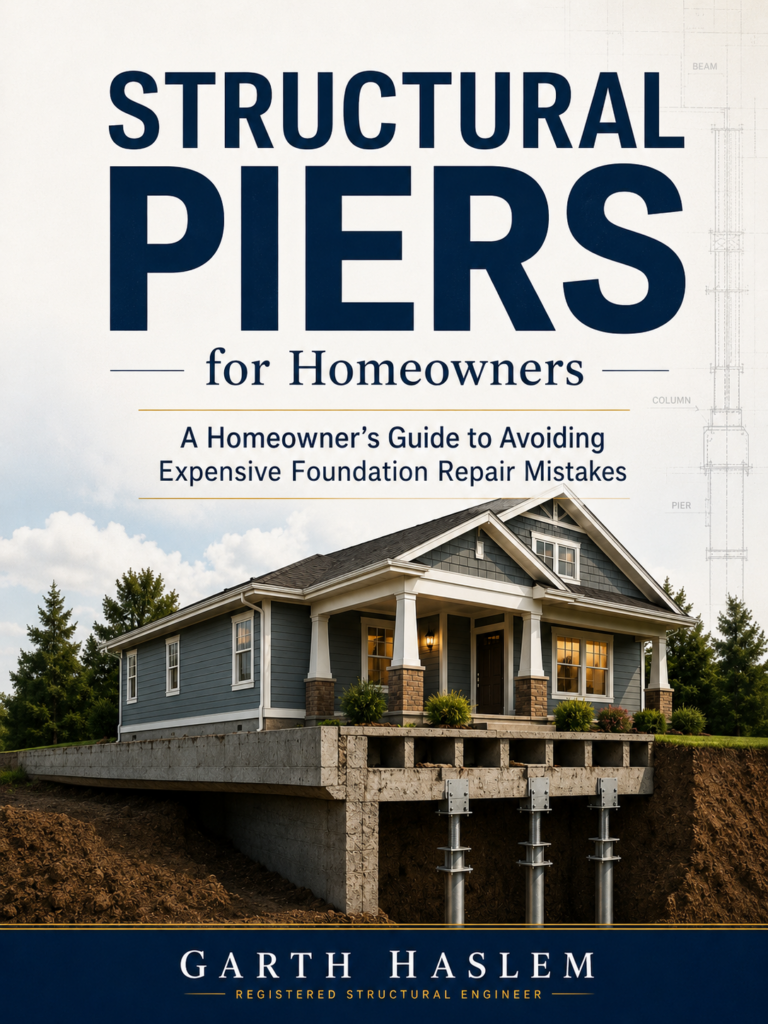
Download our free homeowner guide on structural piers. It will help you understand when structural piers make sense, when they don’t, and how to avoid costly foundation repair mistakes before signing a contract.
Structural piers are deep foundation elements installed below a footing or foundation wall to transfer loads to deeper, more stable soil or bearing material. Common systems include:
– helical piers
– push piers
– micropiles
– concrete underpinning
– drilled piers
But piers are not a magic fix for every crack in a home.
They are primarily intended to address vertical support problems. They do not automatically solve framing issues, lateral soil pressure, poor drainage, shear wall weakness, expansive soils, concrete shrinkage, or general workmanship defects.
One of the most common problems we see is contractors recommending structural piers when the home may have a different problem entirely.
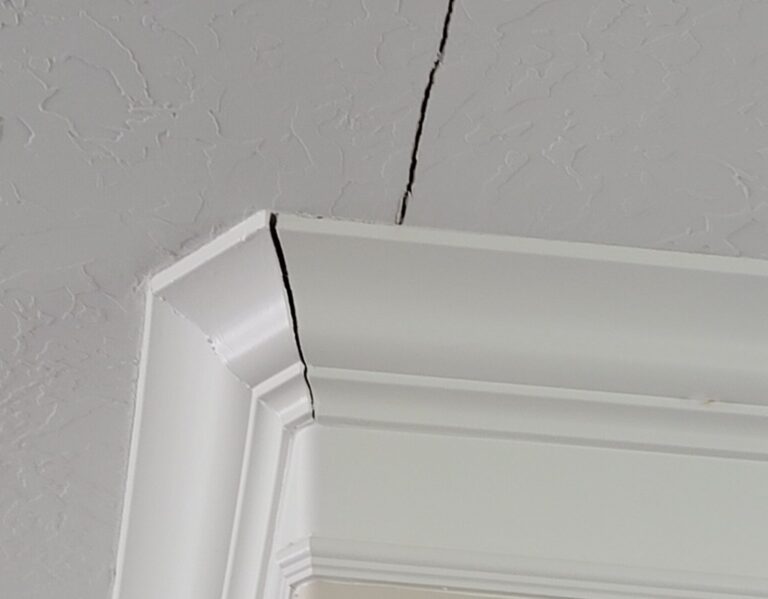
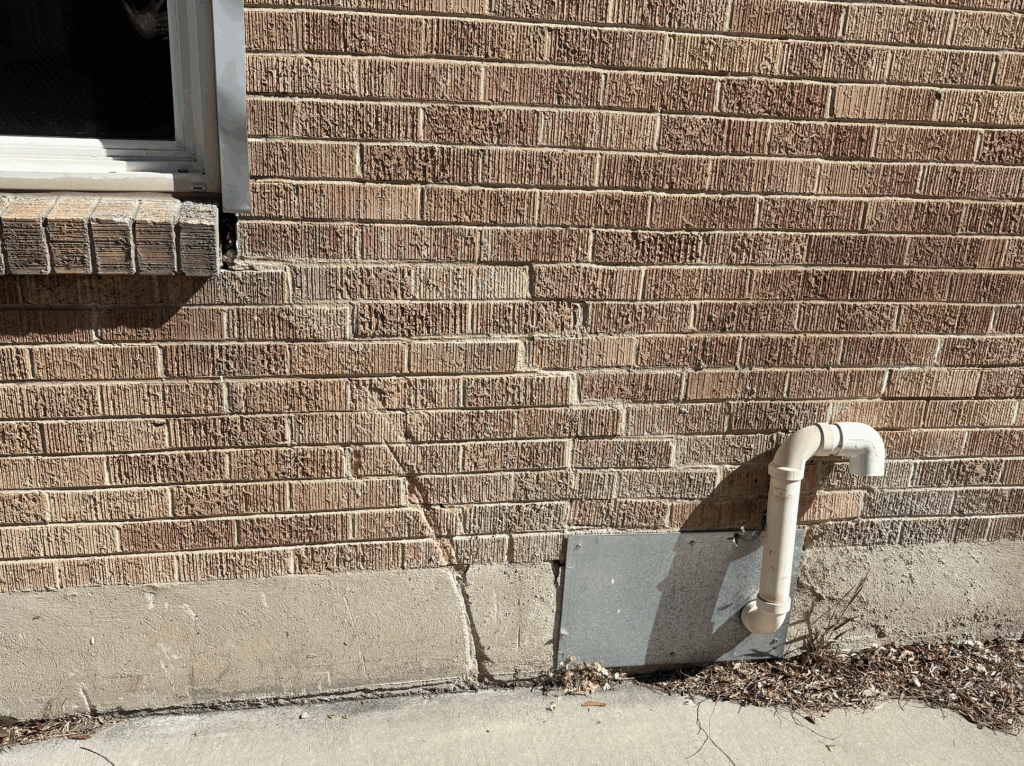
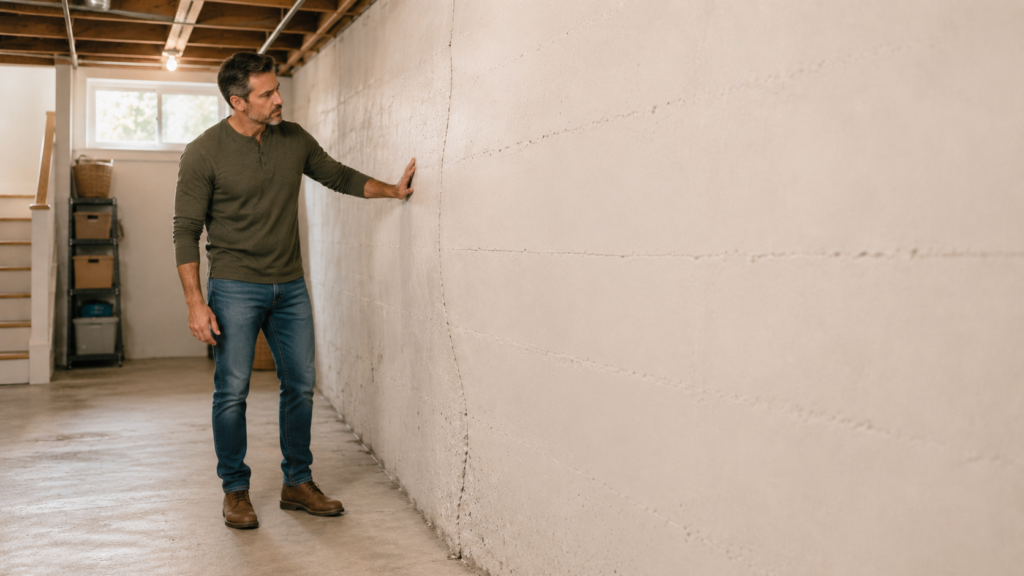
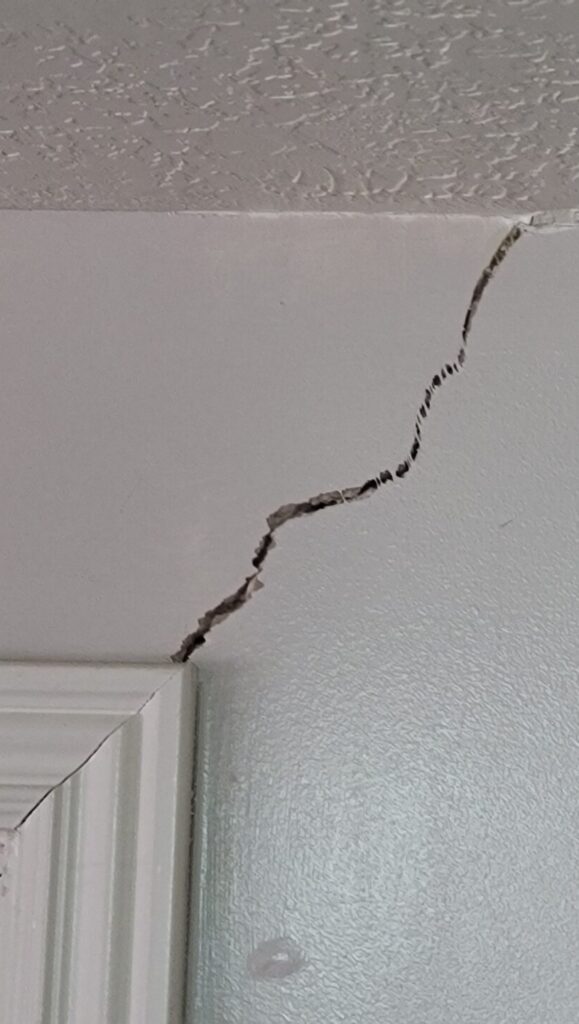
For example, a home may show cracking because of:
If the real issue is lateral movement, shear weakness, or drainage, installing vertical piers may do little or nothing to address the actual cause. That is how homeowners end up paying for a repair system that looks impressive but does not solve the problem they actually have.
Piers may not be the right answer when the issue is caused by:
In these cases, a pier system may be expensive, invasive, and poorly matched to the actual problem.
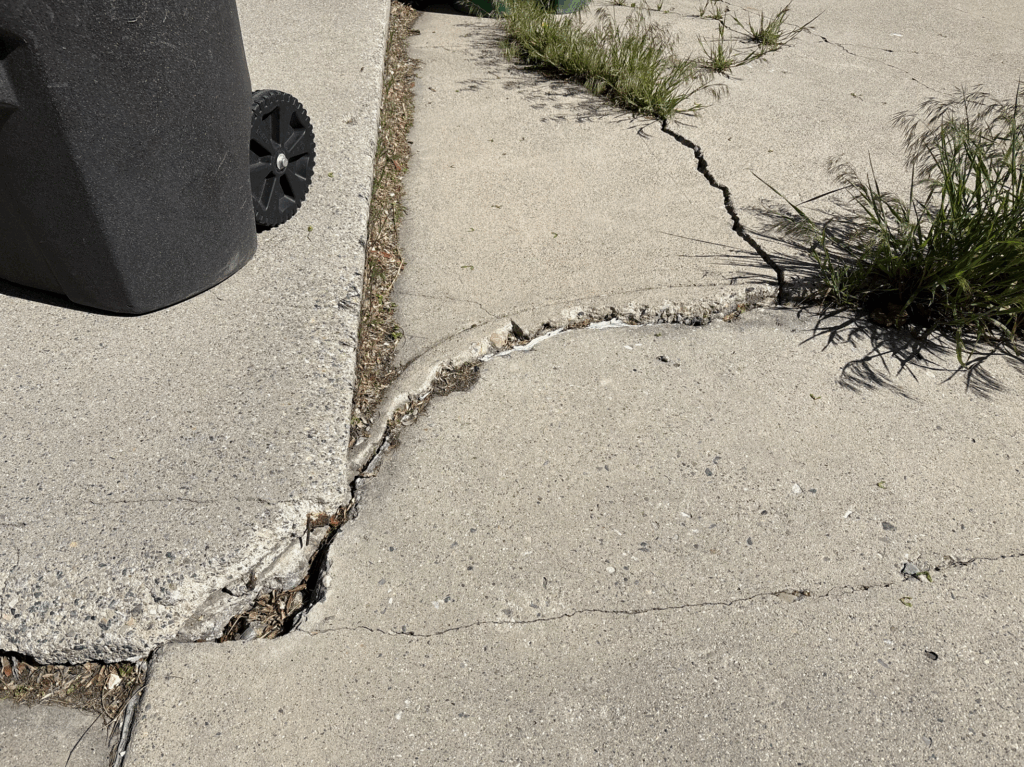
Structural piers may be appropriate when there is evidence of actual foundation settlement, such as:
Even then, the design should be based on actual structural conditions, soil behavior, loading, access, and repair objectives.
The question is not simply, “Can someone install piers here?”
The real question is, “Does this home actually need piers, and will they solve the problem?”
Garth Haslem, PE, has over 30 years’ experience helping Utah homeowners understand what’s happening in their homes.
He brings a steady, experienced presence to every inspection—no urgency, no drama, just clear answers.
If something looks wrong, he’s likely seen it many times before. And he’ll explain what it means in a way that makes sense.
Inspection & verbal report only
Sometimes you just need to know. Or you find out it’s bad news and you just want to walk away. Here’s that price.
Inspection & written report
This is the full report. There may be travel fees for inspections outside of Salt Lake and Utah counties.
Inspection with written & stamped report
The PE stamp is a certification. Usually the stamp is only needed if there is a lender, lawyer or city involved.
FAQ Section
No. Cracks can occur for many reasons. Some are related to settlement, but others are caused by shrinkage, drainage, lateral pressure, expansive soil, framing issues, or normal aging. An engineer can help determine whether the cracks are structurally significant.
No. Piers are useful for some settlement problems, but they are not the correct solution for every foundation issue. If the home has lateral movement, shear problems, drainage issues, or expansive soil heave, piers may not solve the real problem.
Some contractors are honest and competent. Others are primarily sales-driven. Because foundation repair companies often profit from the repair they recommend, it is wise to get an independent structural engineer’s opinion before signing a major contract.
A structural engineer evaluates the structure and provides an independent opinion. A foundation repair contractor installs repair systems. The contractor may be skilled at installation, but the engineer is typically the more reliable source for determining what the actual structural problem is.
In some cases, yes. But the first step is determining whether piers are actually needed. The purpose of the inspection is not to force a repair design. It is to identify the real structural condition of the home.
That is a good time to call CEI. We can review the observed conditions, discuss the contractor’s recommendation, and help determine whether the proposed repair appears to match the actual problem.
We have been a trusted member and affiliate of the real estate community since 1993. If the home has a SUPRA box along the Wasatch Front, we can probably get access.