About a year ago, we performed a structural inspection in North Salt Lake, Utah. According to an online source, the residence is a six bedroom, six bathroom single family home with approximately 4,094 square feet of living space. The home was constructed in 2022, making it relatively new by any standard. Despite its age, the structure is already exhibiting signs of movement that are concerning, particularly given the conditions observed in neighboring homes along the same hillside.
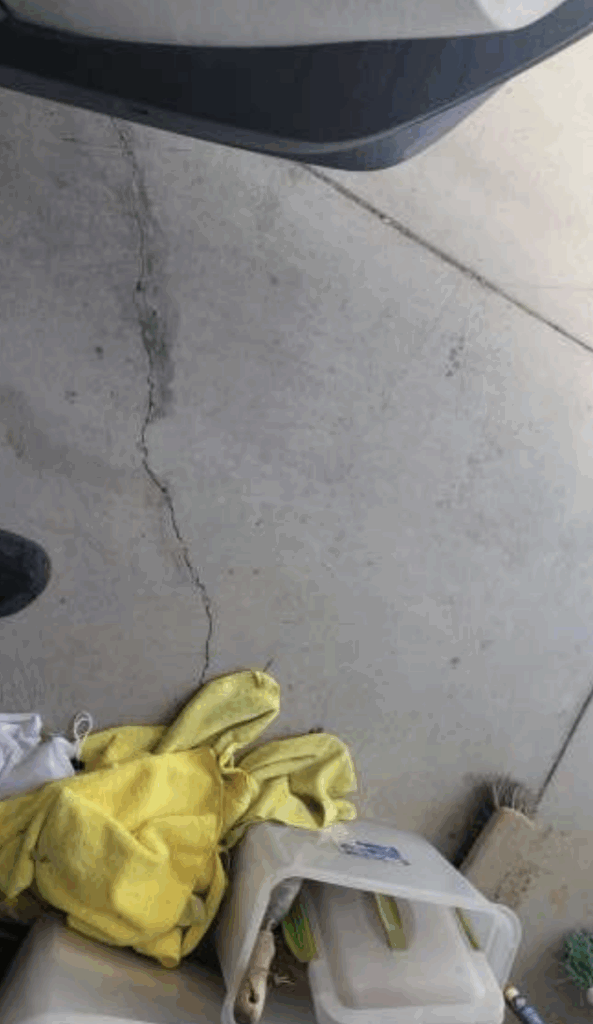
At just three years old, the home is showing evidence of sliding similar to the older properties on either side. While the interior and exterior cracks are not yet as substantial as those seen in adjacent structures, they are still meaningful. Cracks are rarely isolated issues. They are symptoms. The cracks weren’t big at all, but there were many of them. In this case, they indicate that the structure is responding to movement beneath it rather than simple material shrinkage. The most notable concern is along the back side wall, which appears to be settling downward and rotating away from the rest of the structure.
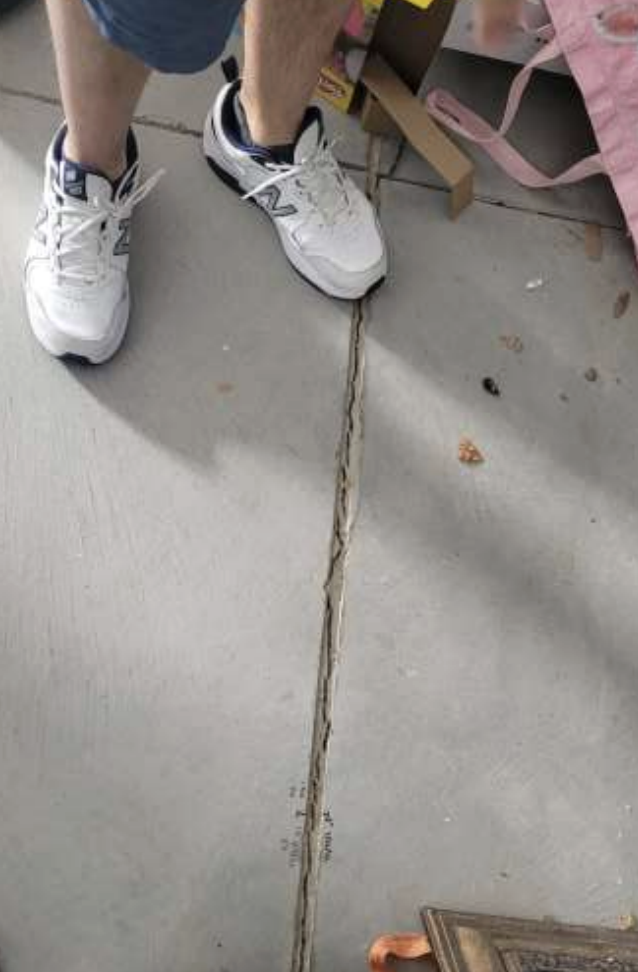
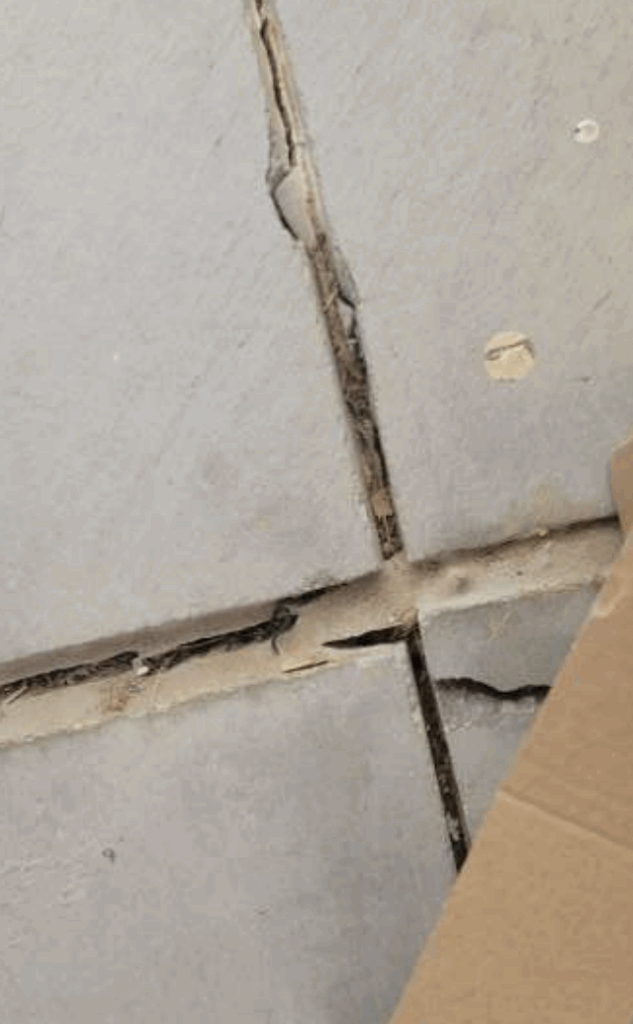
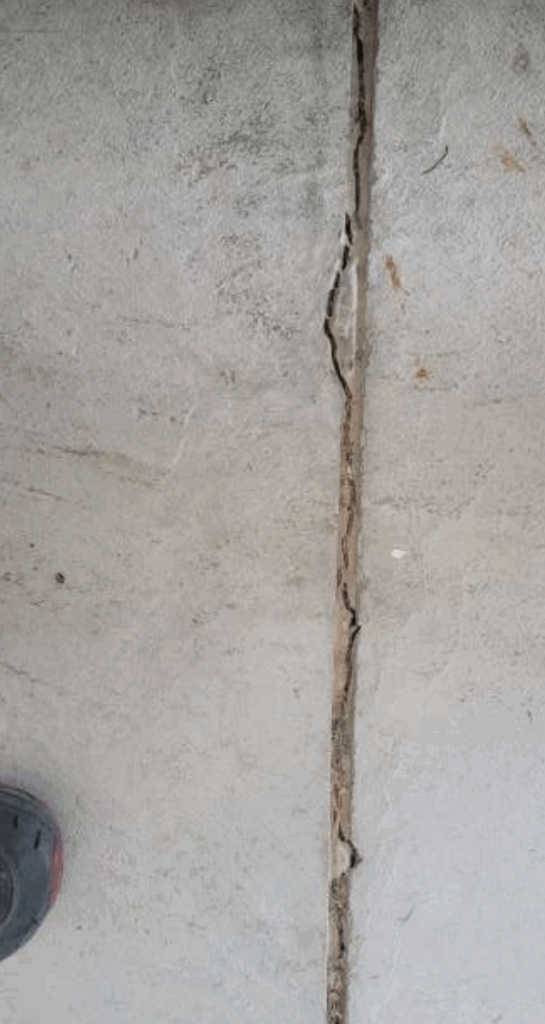
During the inspection, we noted that a third party had previously measured the back side of the home and found the basement floor to be approximately one-half inch lower than expected. This measurement aligns with the visual and physical evidence observed on site. Settlement of this nature, especially so early in a home’s life, suggests that the supporting soil is not performing as intended. When the soil beneath a foundation softens, compresses, or shifts, the load above it no longer bears evenly, and movement becomes inevitable.
Based on these observed conditions, we concluded that the only realistic restoration option for this home would involve structural piers. Given the height and mass of the structure, this is not a simple undertaking. The back side of the home rises three stories and incorporates masonry walls, making it a heavy system to lift or even stabilize. For this reason, we recommended stabilization rather than attempting to fully lift the structure back to its original position. At the time of the inspection, about a year ago, the amount of movement was less severe than what had been documented at neighboring homes, and cosmetic crack repairs had already been performed. Stabilizing the structure before further movement occurs was viewed as a necessary approach.
Helical piles were recommended as the preferred pier solution. When properly designed and installed, helical piers can transfer load through weak surface soils and bear in more stable material deeper below, often bedrock. This allows the foundation to bypass loose soil layers and rest on material capable of supporting the structure long term. We advised that a trusted and reputable pier contractor be engaged to evaluate and design a system specific to this home’s loading and soil conditions.
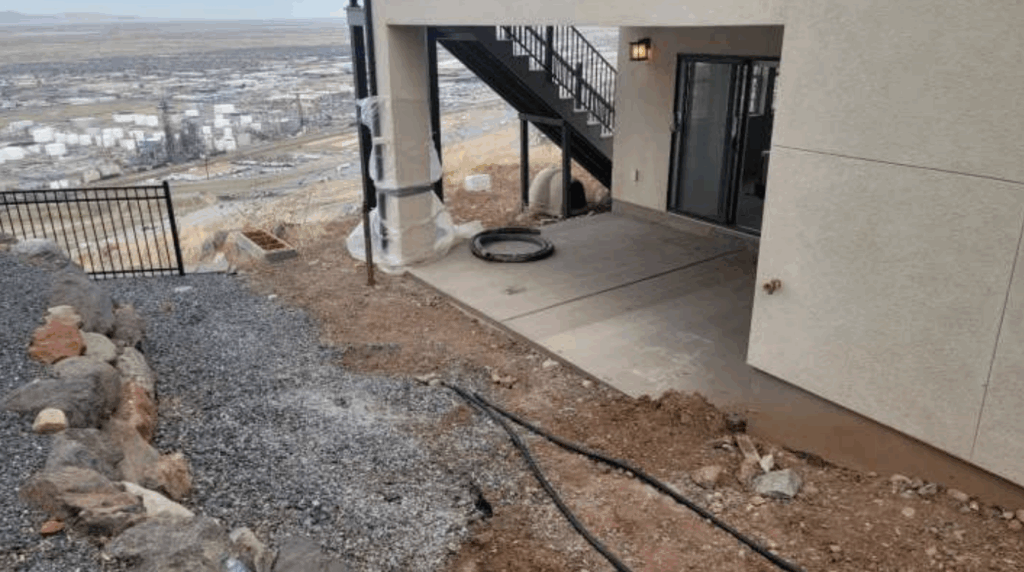
Approximately one year later, on January 19, 2026, we returned to the property for a follow up inspection. This visit was documented as an Addendum to the original report. The home was now approximately four years old, and the goal of the visit was to assess whether movement had stabilized or continued.
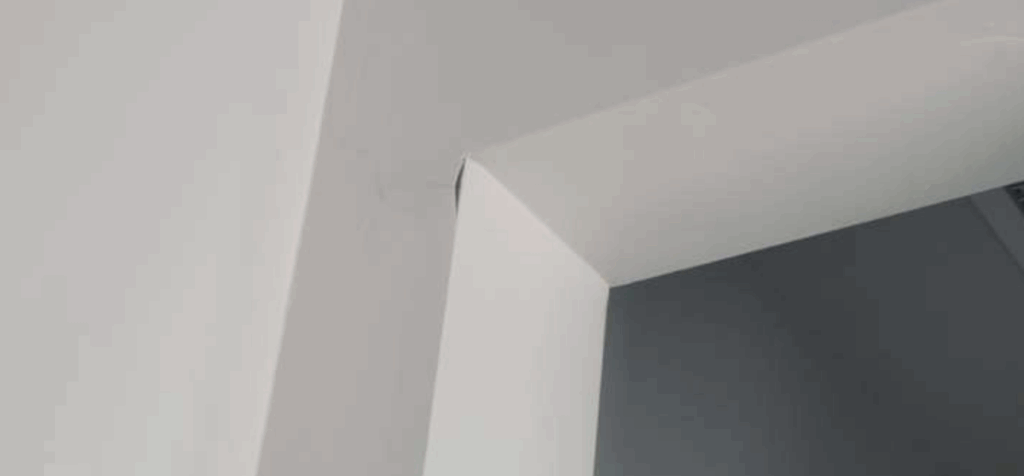
Unfortunately, new indicators had appeared. Inside the home, we observed additional cracks in the sheetrock. While sheetrock cracking is common in many homes, these cracks were occurring in locations where movement is less typical. More concerning were changes in door operation on the second level. Several doorways no longer latched properly, and some doors were binding within their frames. In newer homes, this type of movement is not expected and often points to ongoing structural shifting.
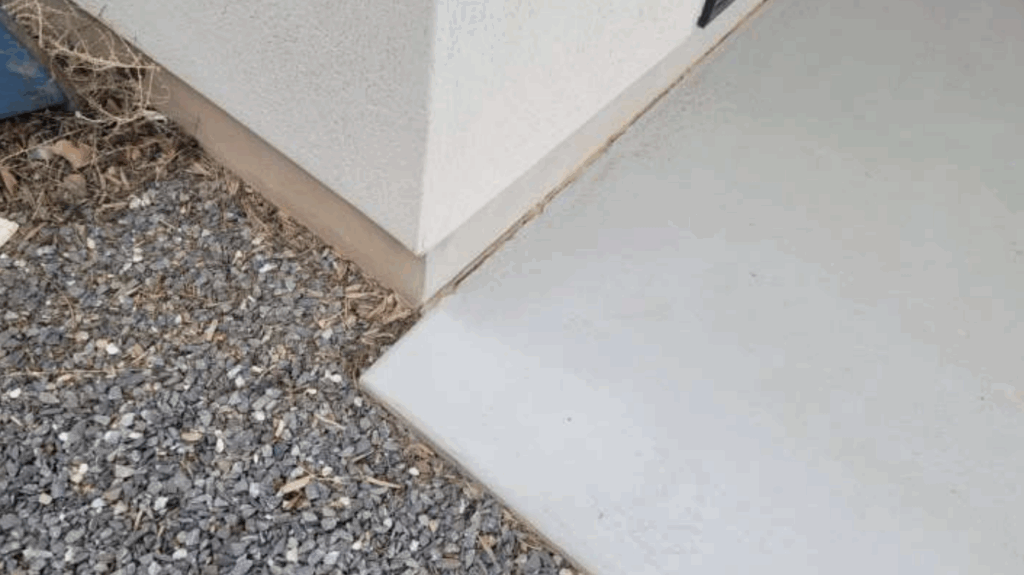
These observations reinforced what had been suspected during the initial inspection. The home is continuing to move. What was subtle a year earlier has now become more apparent. Exterior conditions further supported this conclusion. Stucco cracking is inevitable on almost every home, but the cracking observed here was not typical hairline shrinkage. Cracks at wall intersections and post corners suggest differential settlement, where portions of the structure are moving at different rates. This type of cracking reflects stress within the system rather than simple surface issues.
It is also notable that the neighboring homes have already undergone remediation efforts. One property was treated with grout injection, while the other received push piers. We understand that these attempts haven’t been very successful. This information is critical. When remediation methods fail nearby under similar soil and slope conditions, it suggests that those solutions may not be appropriate for the area as a whole.
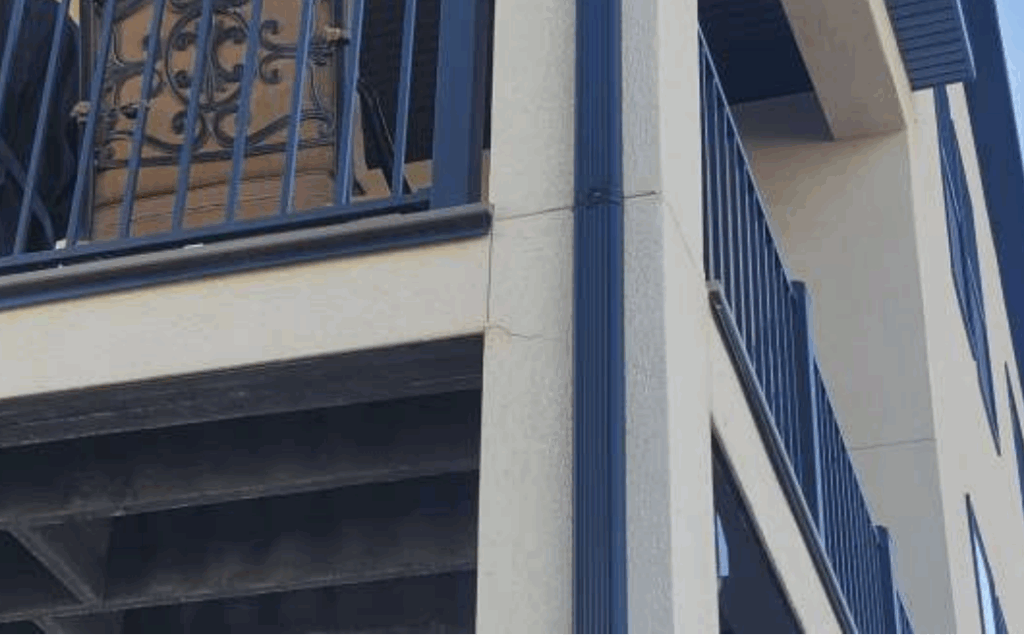
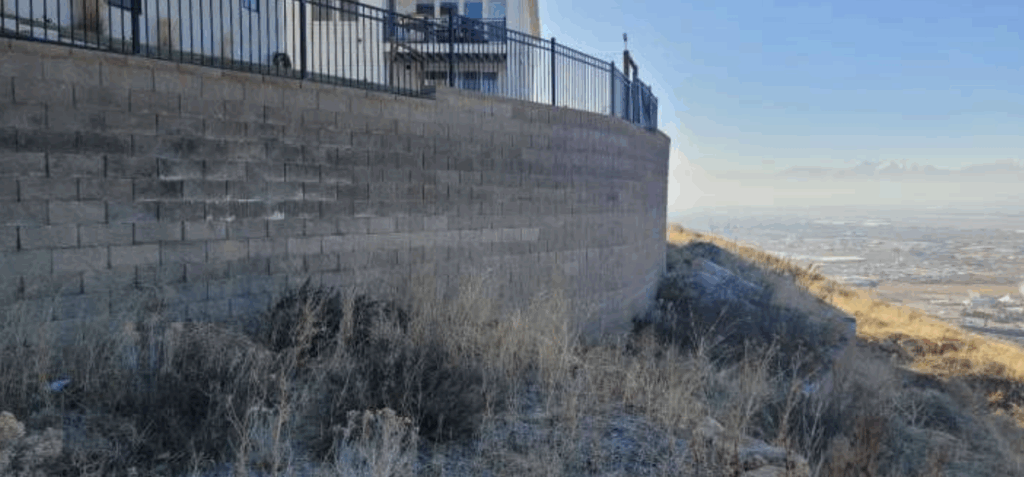
Some positive developments were also noted. Drainage on the back side of the home appears to be effectively routed away and around the retaining wall. This is important, as water plays a major role in weakening soil and accelerating settlement. The retaining wall itself is approximately 30 feet tall and constructed of CMU. We noted that geofabric may have been installed at roughly two foot vertical intervals, and that rebar may have been used to tie the wall elements together. If verified through contractor records, these details would be helpful in assessing the wall’s performance.
Still, a 30 foot tall CMU retaining wall is a significant structural demand, particularly on a steep hillside. The geometry of the slope creates a wedge of soil between the original hillside and the current ground surface. This type of soil condition is well known for settling and sliding over time. Even with good drainage, gravity and soil behavior remain persistent forces.
Given that the movement at the home is not yet extensive, we recommended ongoing monitoring. A notice should be filed with the contractor and/or their insurer to document the condition. At this stage, the full extent of any required remedy is not yet clear. However, we strongly recommend against repeating the methods used on neighboring properties. Structural piers that extend through the problematic soil and bear in virgin material below will provide a more reliable, long-term solution.