While inspecting a home located in Provo, Utah, we found that many parts of this home didn’t line up. Some portions of the home were nice, new, and very well built while other parts of this Provo home were just the opposite: slanted, improper, and crumbling. The reason we came out to inspect this house was to visually analyze it along with a potential home buyer and realtor. When we arrived at the location, we learned that this was also the first time the home buyer and realtor were seeing the home in person as well. The home buyer felt confident enough to call us engineers out on the first go, is because the homebuyer previously asked his kids to come to the property to check it out.
The reason this home is under evaluation for purchase is because the homebuyer is a father that wants to help his kids out a little. The father will have several children attending a college in the Provo area and wants to provide a living space for them that is close to their school’s buildings. The homebuyer found a couple different options for homes and came to check them out after first sending his kids to scope out the properties first. When his kids inspected this property, they reported back that it’s pretty rough around the edges. They told the father that it had cracks, slanted floors, and all sorts of other problems. They also reported back that they could make it work if the father decided to purchase that home instead of one of the others. They said that it was in fact livable.
Knowing this, the homebuyer and us were able to see this home from our own perspective as well as the individuals’ perspectives that were going to be living here. At first glance of this home, you can tell it’s been quite the project. From the front of the home and all around the exterior walls, visible improper drainage methods are installed. Improper drainage often looks like incorrect or short-cut rain gutters that still allow water to soften the foundation of the home, but for this home, the gutters don’t even qualify for that. The gutters that are seen on the front of the house were installed to keep rain off of individuals’ heads as they walked under, but the gutters show zero evidence of being able to shield the foundation from any water.
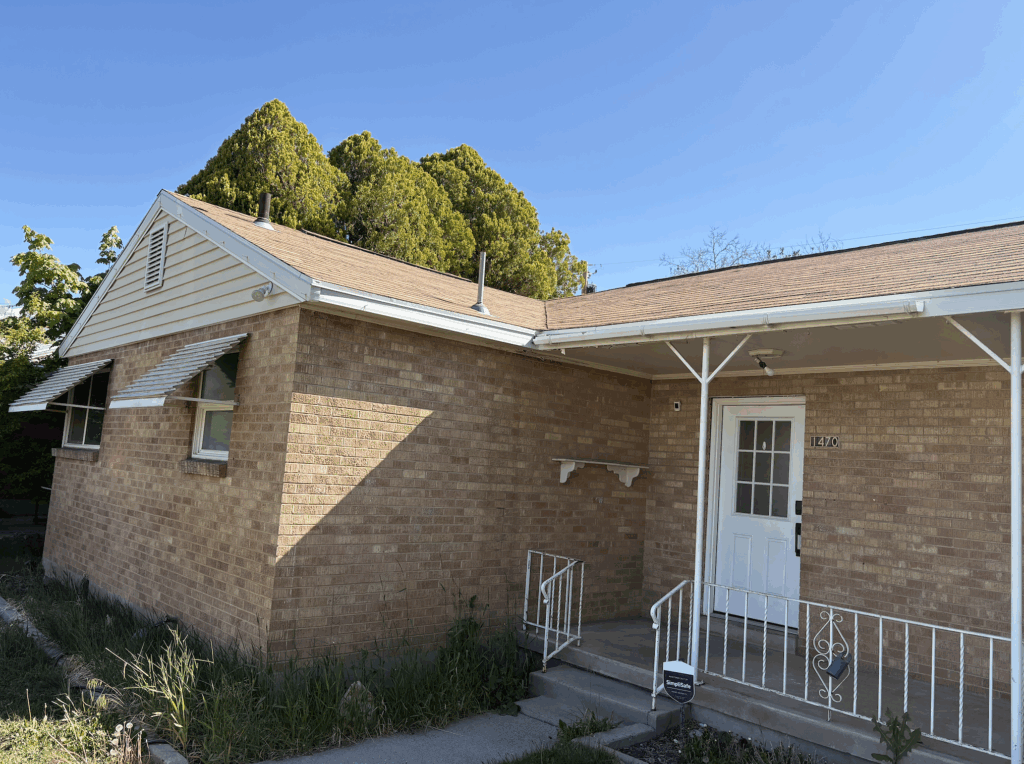
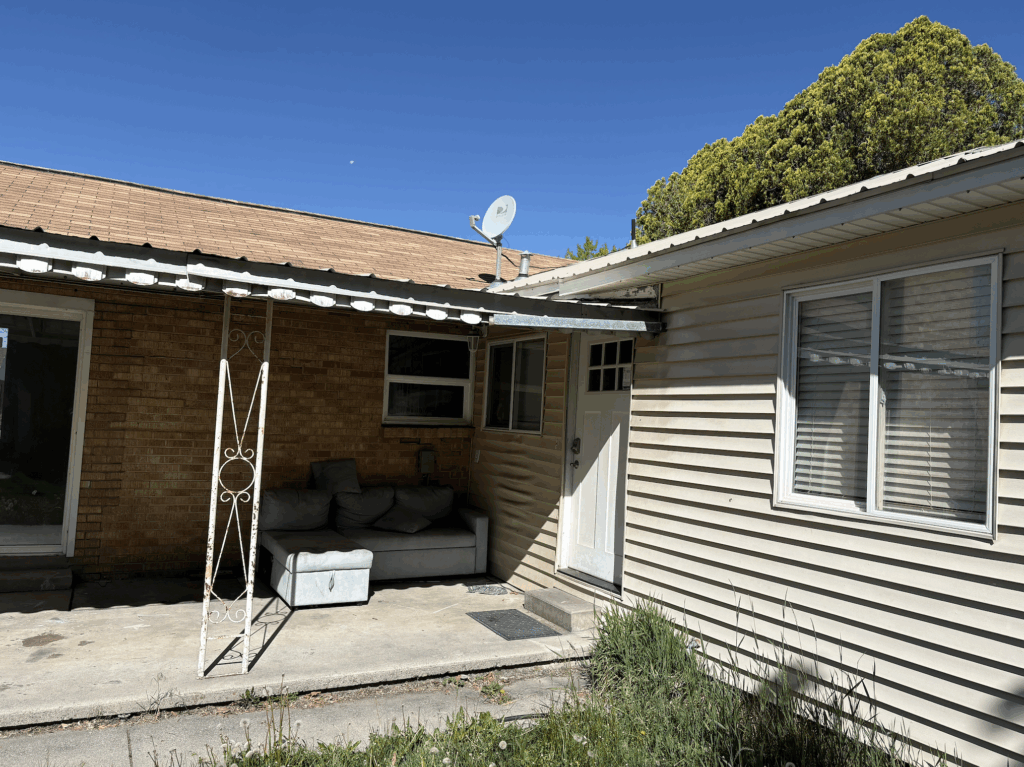
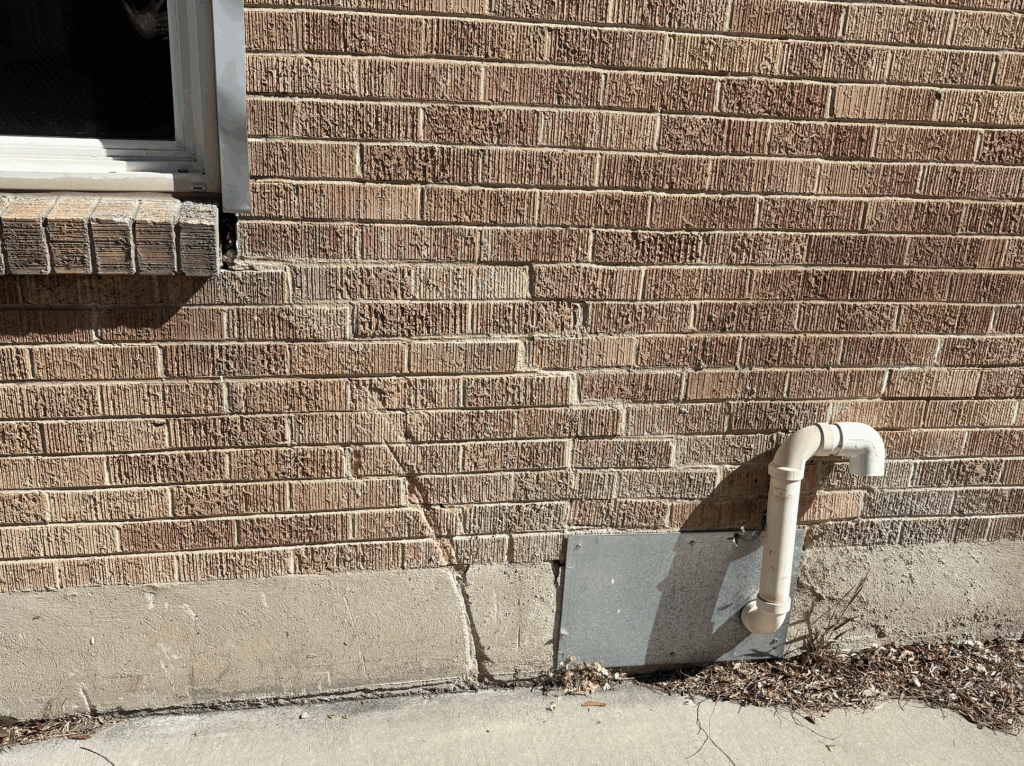
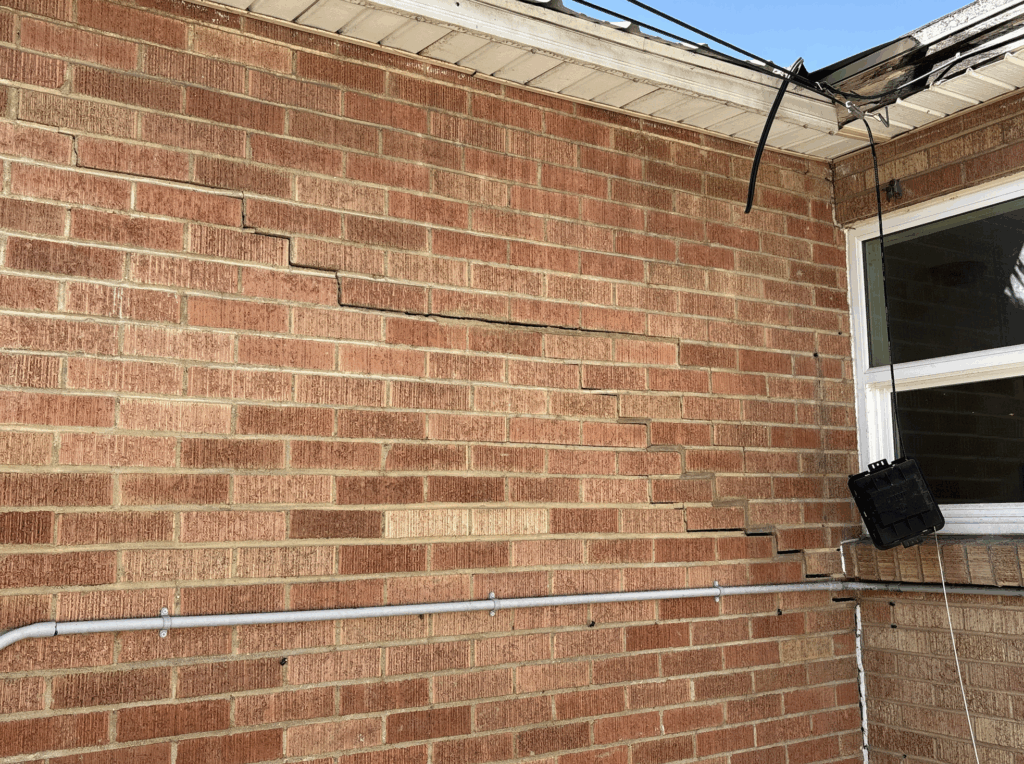
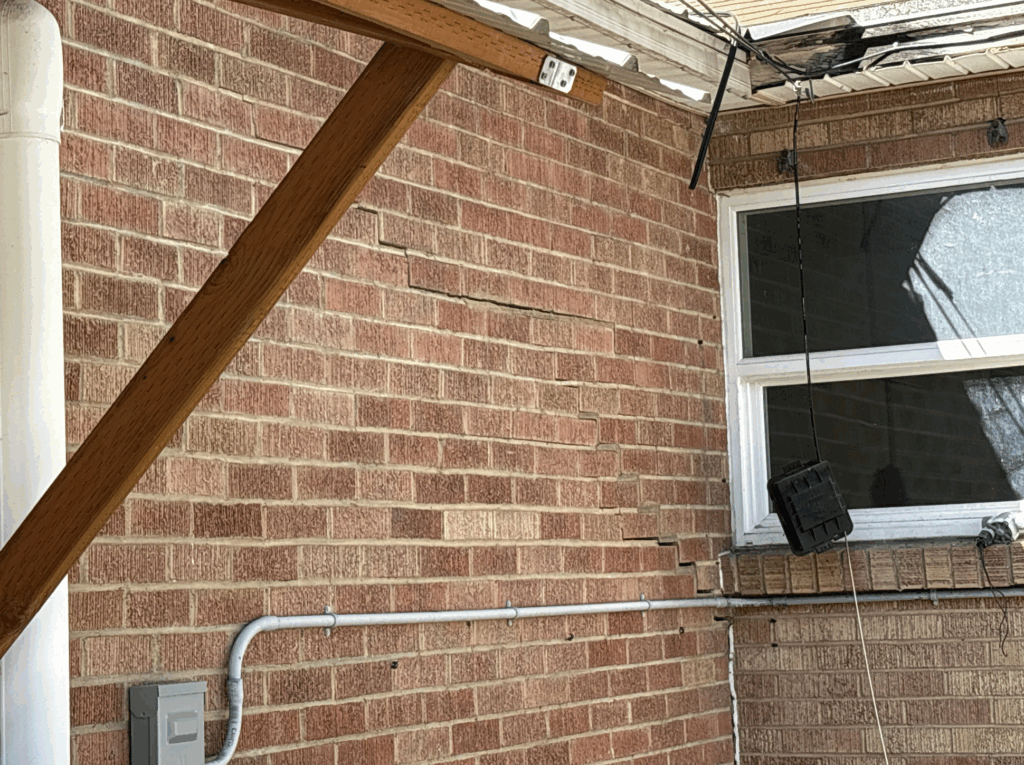
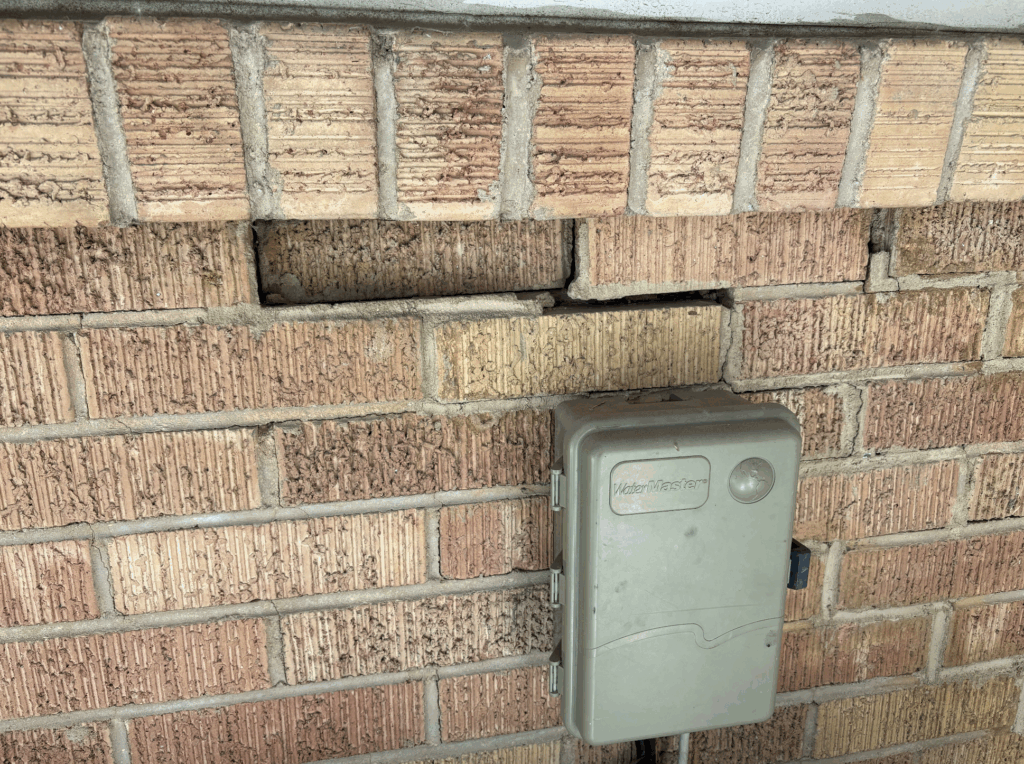
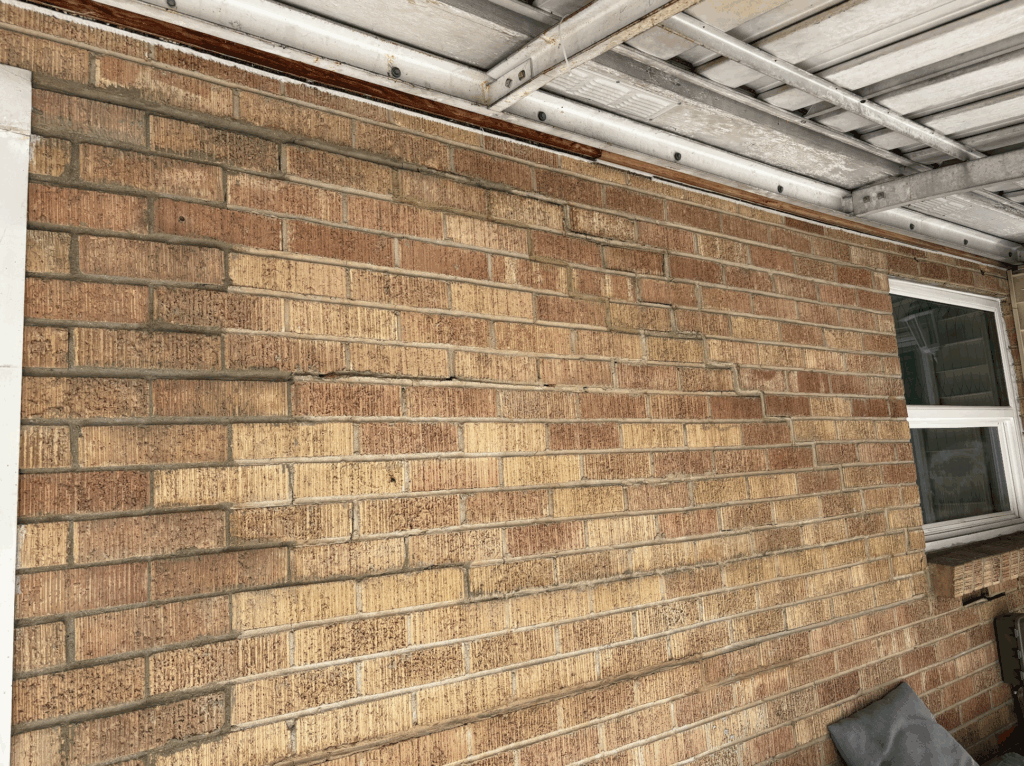
This gutter to stop rain from hitting the heads of people walking in through the front door was installed on an awning that is supported by pillars, however, the pillar in the south-west corner seems to have been removed for cosmetic purposes. Evidence of a pillar holding this awning up is visible, but no pillar is anywhere to be found. This means that a water bearing awning is being held up improperly for cosmetic use, that has code violations written all over the place. Right next to this sketchy awning is a brick wall with cracks left and right. The cracks have been filled in with some plaster element to reduce visibility of the cracks. The realtor asked if this filling of the cracks helps solve the problem of structural shifting in any way, but unfortunately, filling a crack only hides the problem and fixes absolutely nothing.
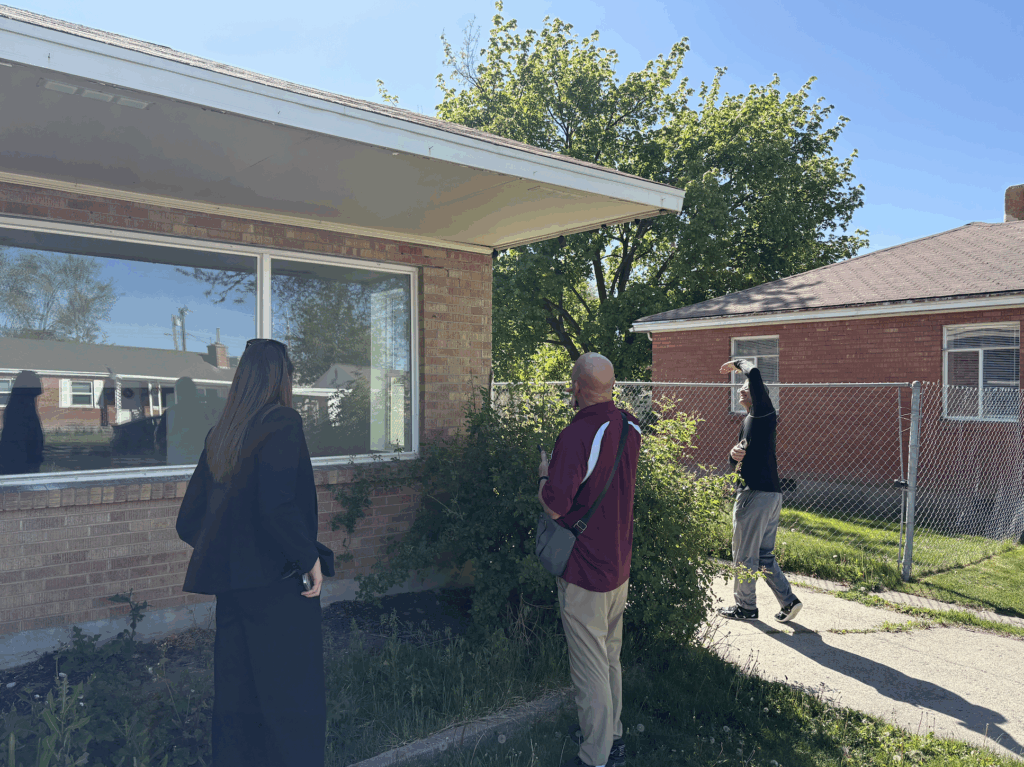
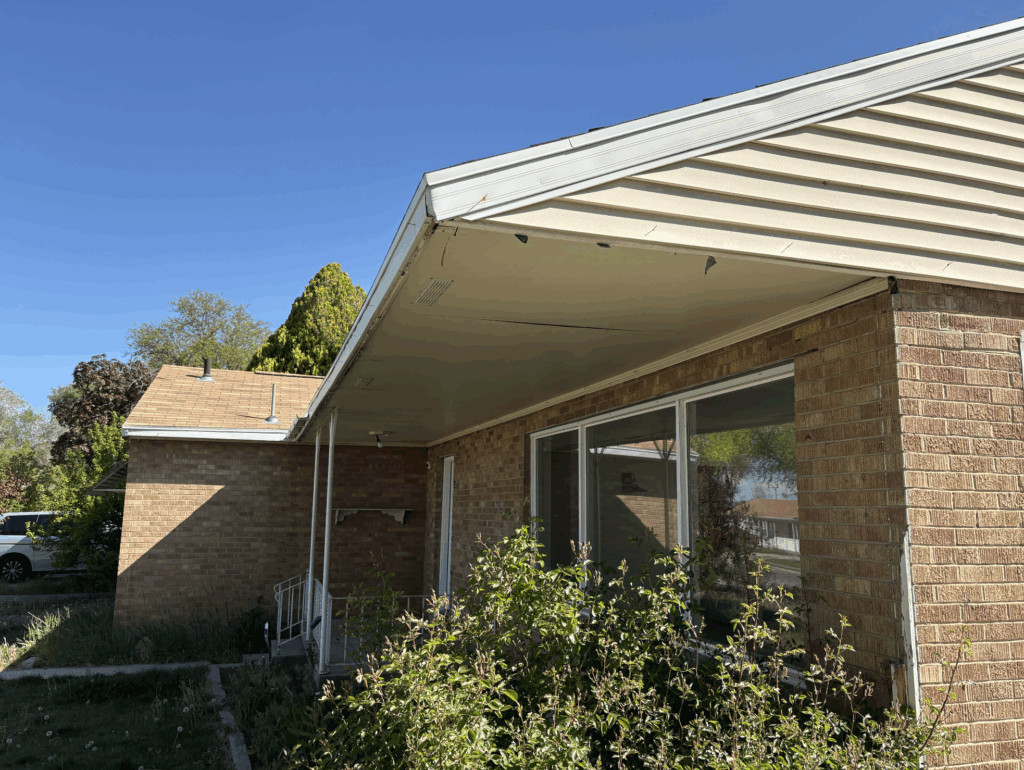
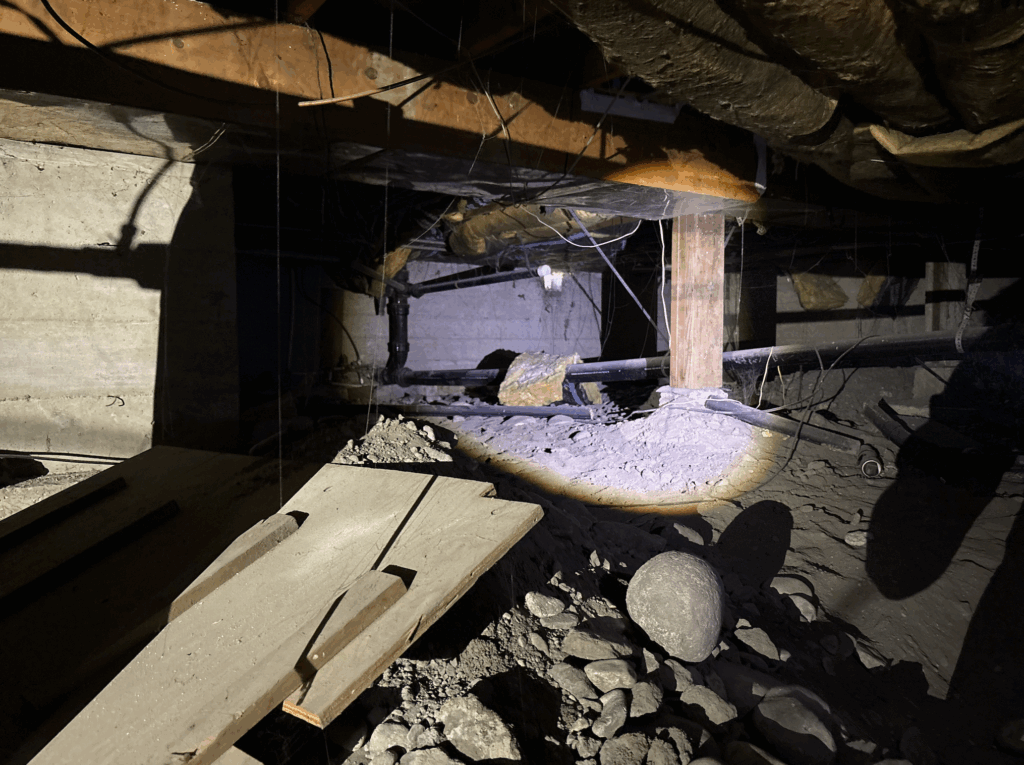
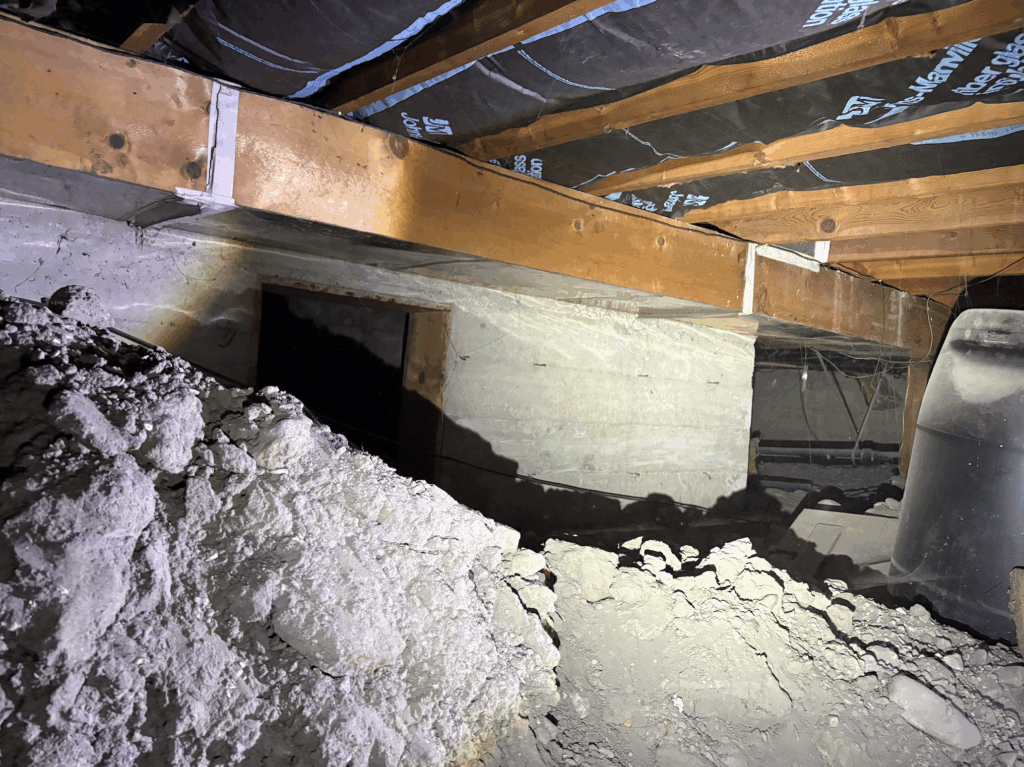
Upon further examination of the home we saw these types of cracks on every exterior wall. We then entered inside the home through the front door and immediately noticed that the floor of the main living area was slanted. Structurally, a slanted floor doesn’t cause any problems, however, if the foundation was poorly made which is causing the poor workmanship of the floor, then we may have a problem. This issue led us back outside to the opening of the crawl space. We put on our kneepads and geared up with our flashlights to enter into what we guessed would be a horror scene. To our great surprise, there was absolutely nothing in the crawlspace area that made us raise a brow or cause for concern. No major cracks, no signs of heavy water leakage, and no pillars on the verge of tumbling down. With a home that has all types of cracks, yet a very well made foundation, the evidence points to the gutters that were originally spoken of as the culprit of the structural shifting.
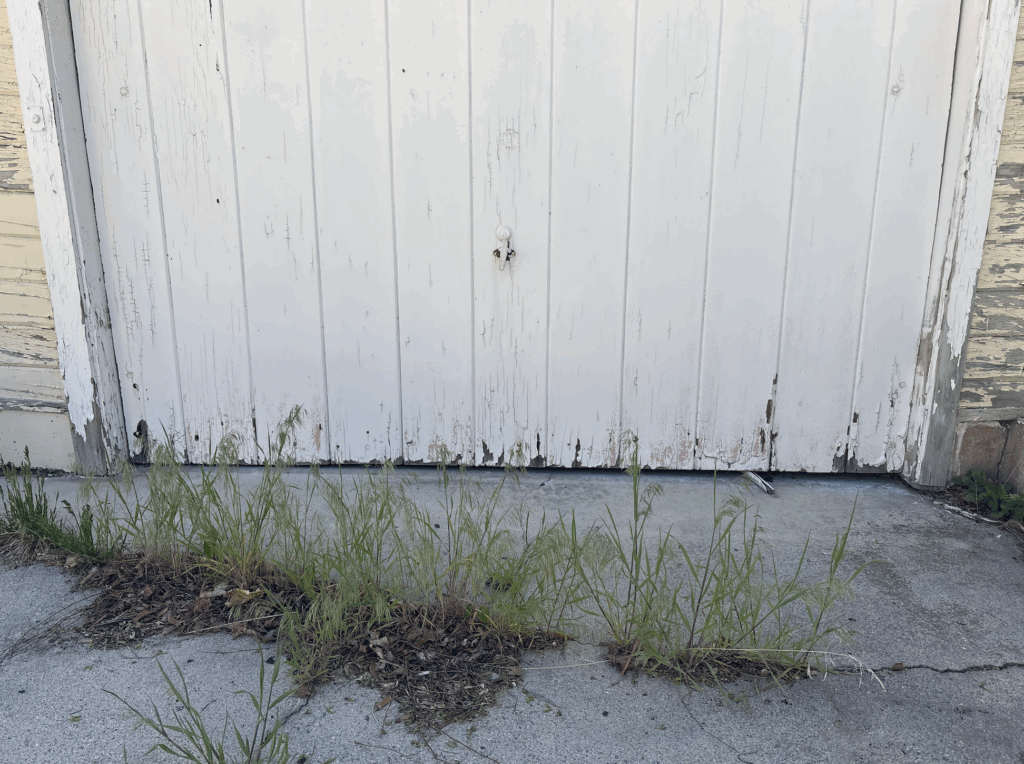
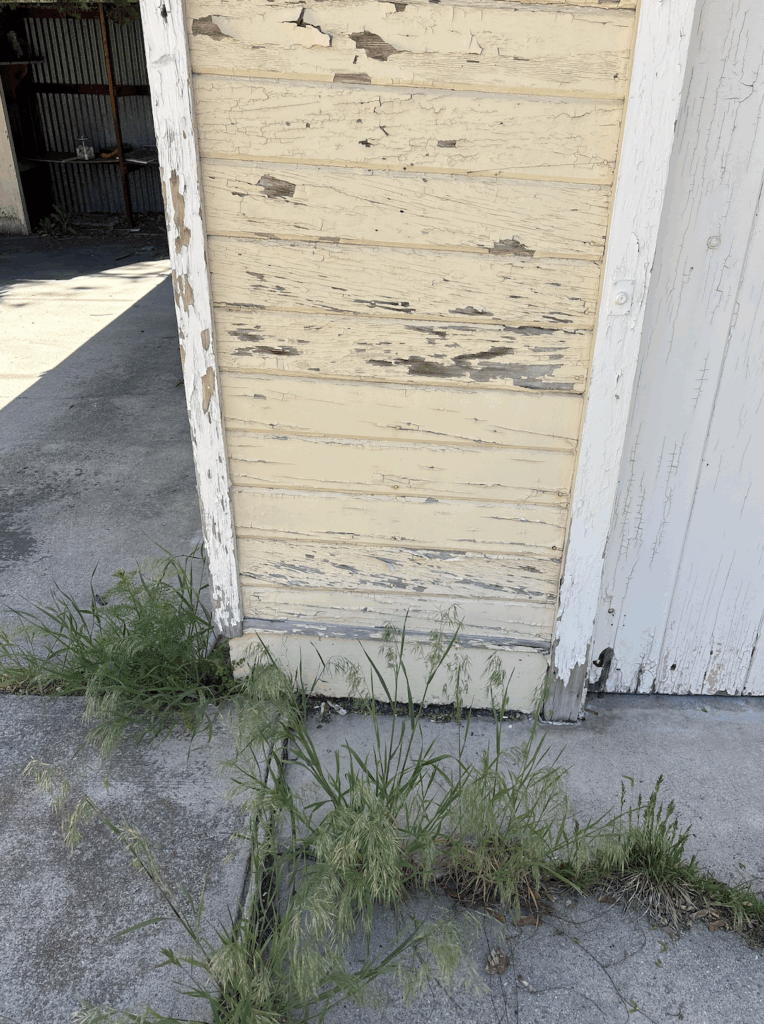
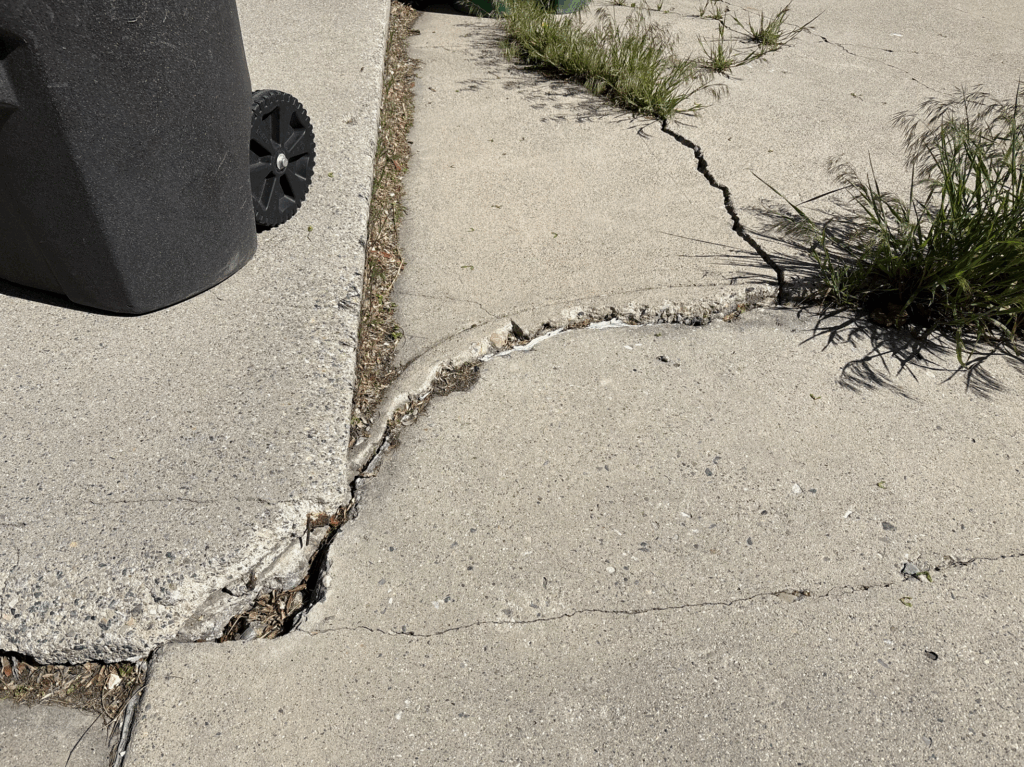
On the outside of the home were massive movements in the concrete in the backyard that led to a shed with a door that couldn’t close just right. The shed had the same style door as a garage that cracked up and down to open and close. When looking right at the door, the bottom on one side would touch the concrete below and the other side wouldn’t. Again, a sight of soil underneath a structure causes the entire frame to move, settle, and shift over much time.
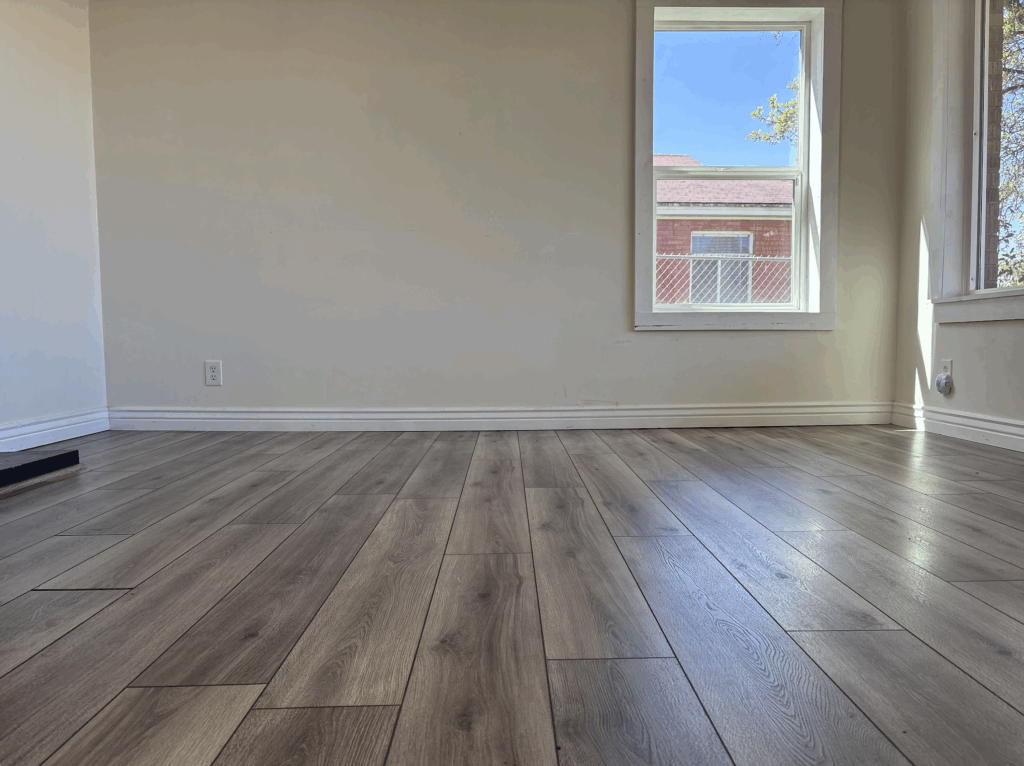
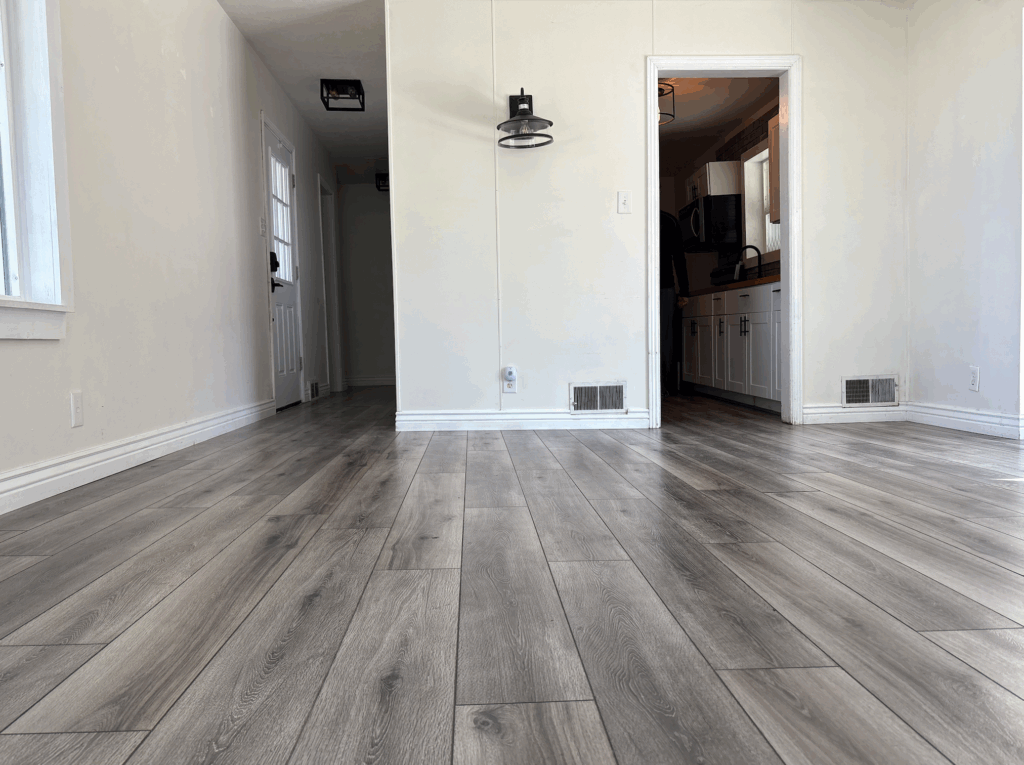
As we entered the last portion of the home, we weren’t sure what to expect with some areas of this home being pristine and others not so much. As we walked through the door of the mother-in-law apartment, it felt like this addition to the home was just built yesterday. New floors, freshly painted walls, and modern interior decoration shocked us as we entered. We found that the homeowner most likely installed this brand new mother-in-law apartment recently to increase the value of the home or make it look more appealing to homebuyers. It seemed to be well built, but we didn’t have a sure way to tell because time has not taken its toll on this part of the structure yet. No cracks were found which is expected of a building this new on a property.
All in all, the potential homebuyer found that this home in Provo Utah most likely wasn’t the best fit for his children. The neighborhood was quiet and there were a perfect number of rooms for what he was looking for for his kids, but ultimately, purchasing a structure like this is just too risky. The potential homebuyer and realtor moved forward looking for other homes in a similar area so that hopefully his kids may have a place to stay as they attend the upcoming semester of college. They both thanked us and showed great appreciation for our help and expertise. We bid them farewell and moved on to our next job of the day with a new perspective on what we might just find in the next home we inspect.