
Uneven, sloping, or rolling floors are common concerns in both older and newer homes. Sometimes the condition is minor and has existed for decades without creating a meaningful structural problem. In other cases, a sloping floor can be one of the clearest signs that a foundation, beam, wall, or supporting soil has moved.
The important question is not simply whether the floor is level. The important question is why the floor is uneven, whether the movement is continuing, and whether the structure supporting the floor remains adequate.
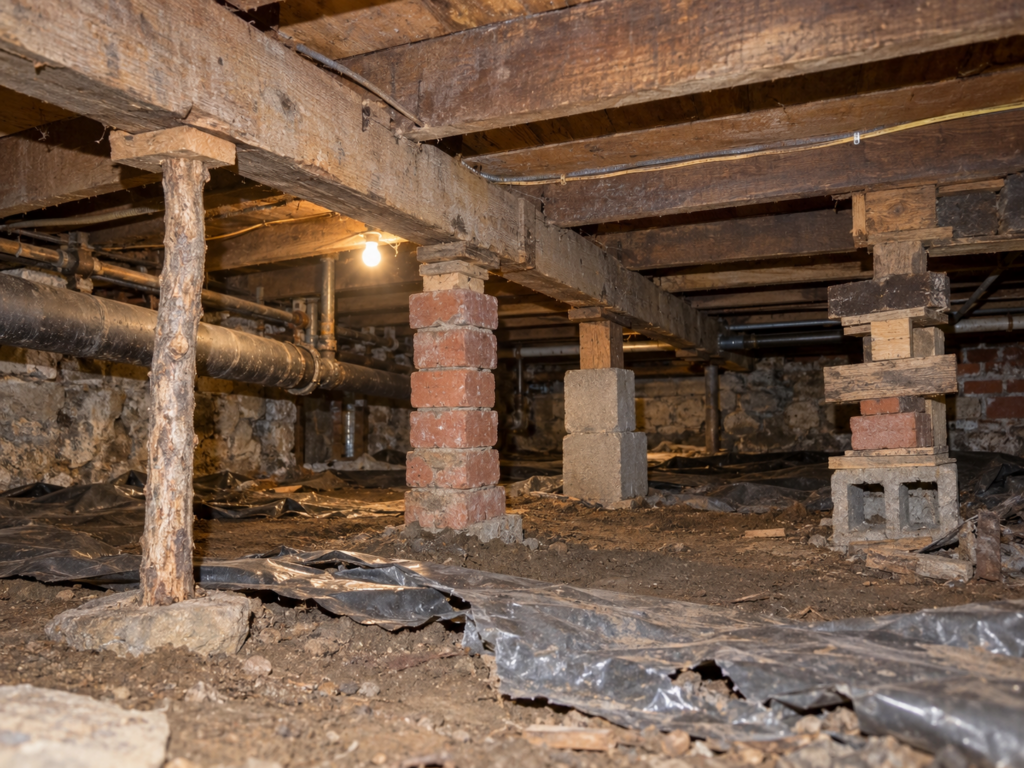
What Causes Uneven Floors?
There are several possible causes of uneven or sloping floors. One of the most common is foundation settlement. If one portion of the foundation settles more than another, the walls and floors above can move with it.
Settlement at a corner may create a noticeable slope across a room, low spots near exterior walls, doors that no longer close properly, and cracks in walls or ceilings.
– Uneven floors can also result from:
– Settlement or movement of interior footings
– Sagging or undersized floor beams
– Damaged or improperly supported joists
– Crawlspace posts that have settled
– Poor soil compaction beneath the structure
– Water-related soil movement
– Previous remodeling that altered supports
Not every uneven floor is evidence of failure. Older homes were not always constructed to today’s tolerances, and lumber naturally changes over time. A small amount of slope in a house that has remained unchanged for many years may be far less concerning than a newly developing slope in a newer home.
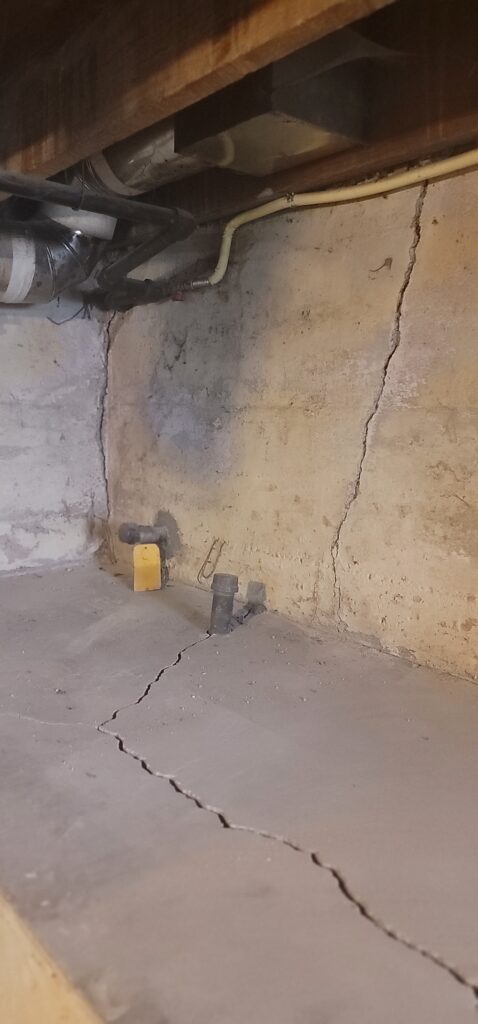
When Is a Sloping Floor a Structural Concern?
A floor becomes more concerning when it is accompanied by other signs of movement. These may include cracks in the foundation, diagonal cracks at doors or windows, separation between walls and ceilings, doors that bind or will not latch, gaps at baseboards, cracking in exterior masonry or stucco, or visible settlement of slabs and porches.
The overall pattern is what’s most important.
A structural engineer will look at the floor movement together with the rest of the building rather than judging the floor by itself. If multiple signs of movement point toward the same portion of the structure, the uneven floor may be part of a larger settlement problem.
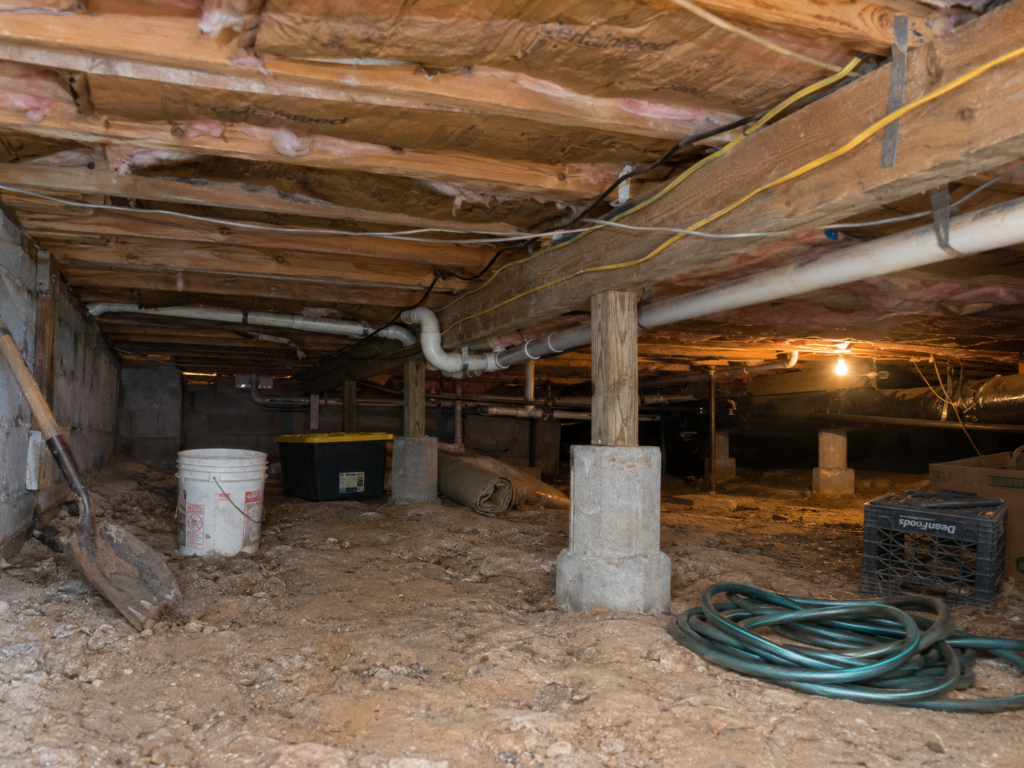
Uneven Floors in Older Homes
Many older (and newer) homes have floors that are not perfectly level.
This does not automatically mean the house needs foundation repair.
A century-old home may have a noticeable slope that developed slowly and then remained stable for decades. In those cases, attempting to lift the structure back to perfectly level can sometimes create more damage than leaving it alone.
The goal of structural repair is not always to make a building perfectly level. Often, the more important goal is to stabilize the structure and prevent additional movement.
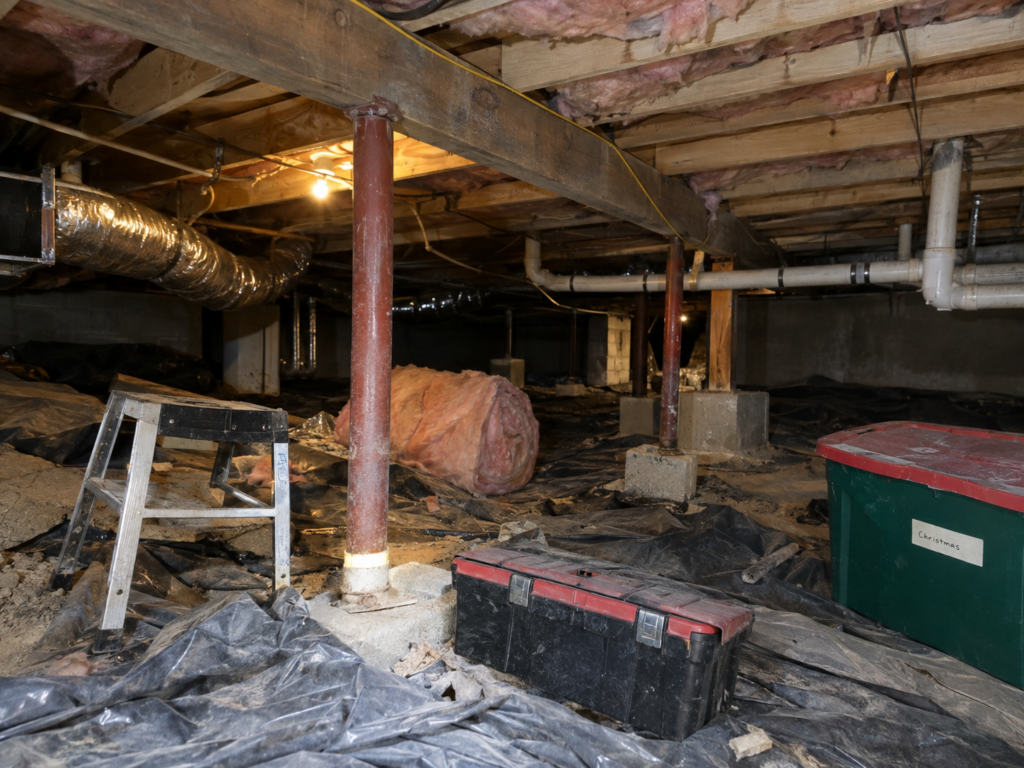
Uneven Floors in Newer Homes
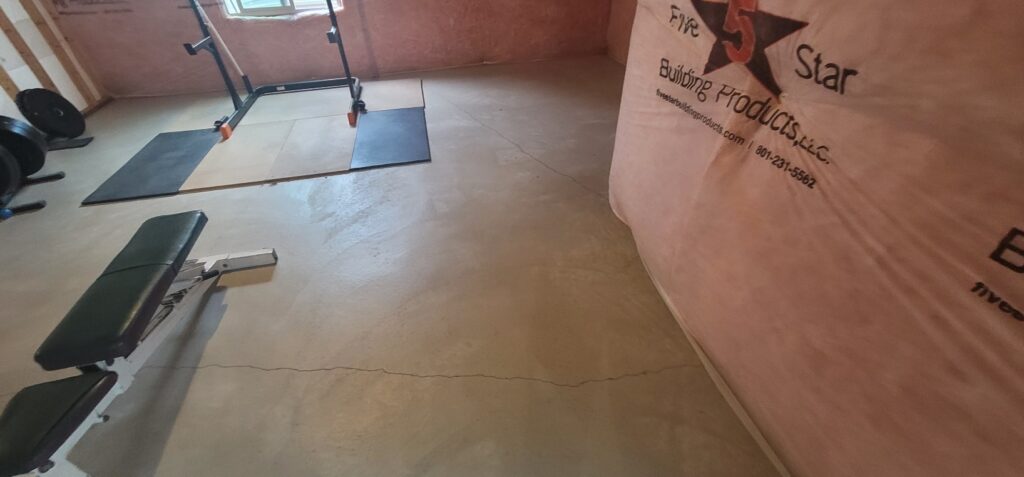
Substantial floor movement in a newer home deserves greater attention.
Modern homes should generally be constructed on properly prepared soils with foundations and framing capable of carrying the anticipated loads. Noticeable settlement, significant rolling of floors, or increasing slope in a relatively new home may indicate problems with soil preparation, drainage, foundation support, framing, or construction workmanship.
If the condition appears to be getting worse, it should be evaluated rather than simply covered with flooring, patching, or finish work.
How a Structural Engineer Evaluates Sloping Floors
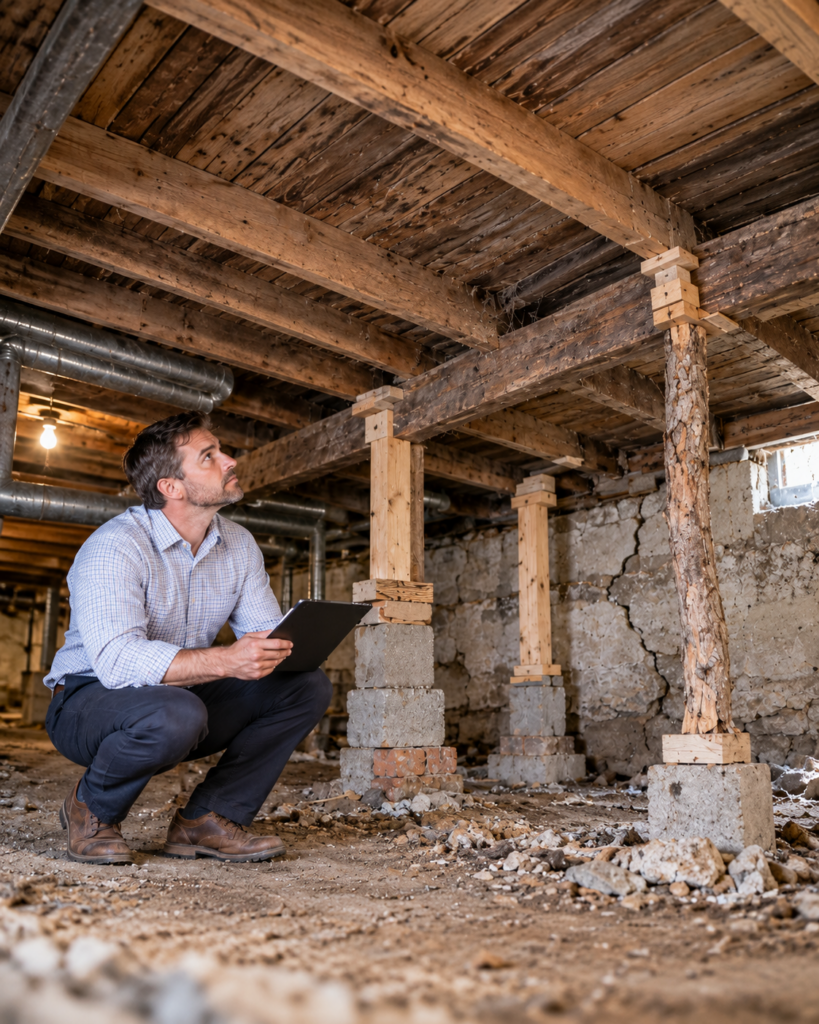
A structural evaluation should consider more than the floor itself. The engineer may review the foundation, basement or crawlspace, interior framing, exterior walls, drainage conditions, cracking patterns, doors and windows, and other evidence of movement.
The objective is to determine whether the floor condition is primarily related to framing, foundation settlement, soil movement, or normal age-related variation.
In some homes, no structural repair is needed. In others, repairs may involve reinforcing framing, adding or correcting supports, improving drainage, or stabilizing portions of the foundation with structural piers.
Should You Be Concerned About an Uneven Floor?
If the floor has always been slightly uneven and there are no other indications of structural movement, the condition may not be serious.
If the floor is noticeably changing, if cracks are developing or reopening, or if doors and walls are beginning to move with it, the problem deserves a closer look.
The best approach is to determine the cause before deciding on a repair.
A structural engineer can provide an independent assessment of the building and help determine whether the condition represents ordinary movement, a framing issue, or a more significant foundation problem.